
Rehoming Senior Dogs
Challenges and Rewards
Jeff Davis | https://rescuedogcentral.com
 0
0 0
0 0
0 0
0 0
0
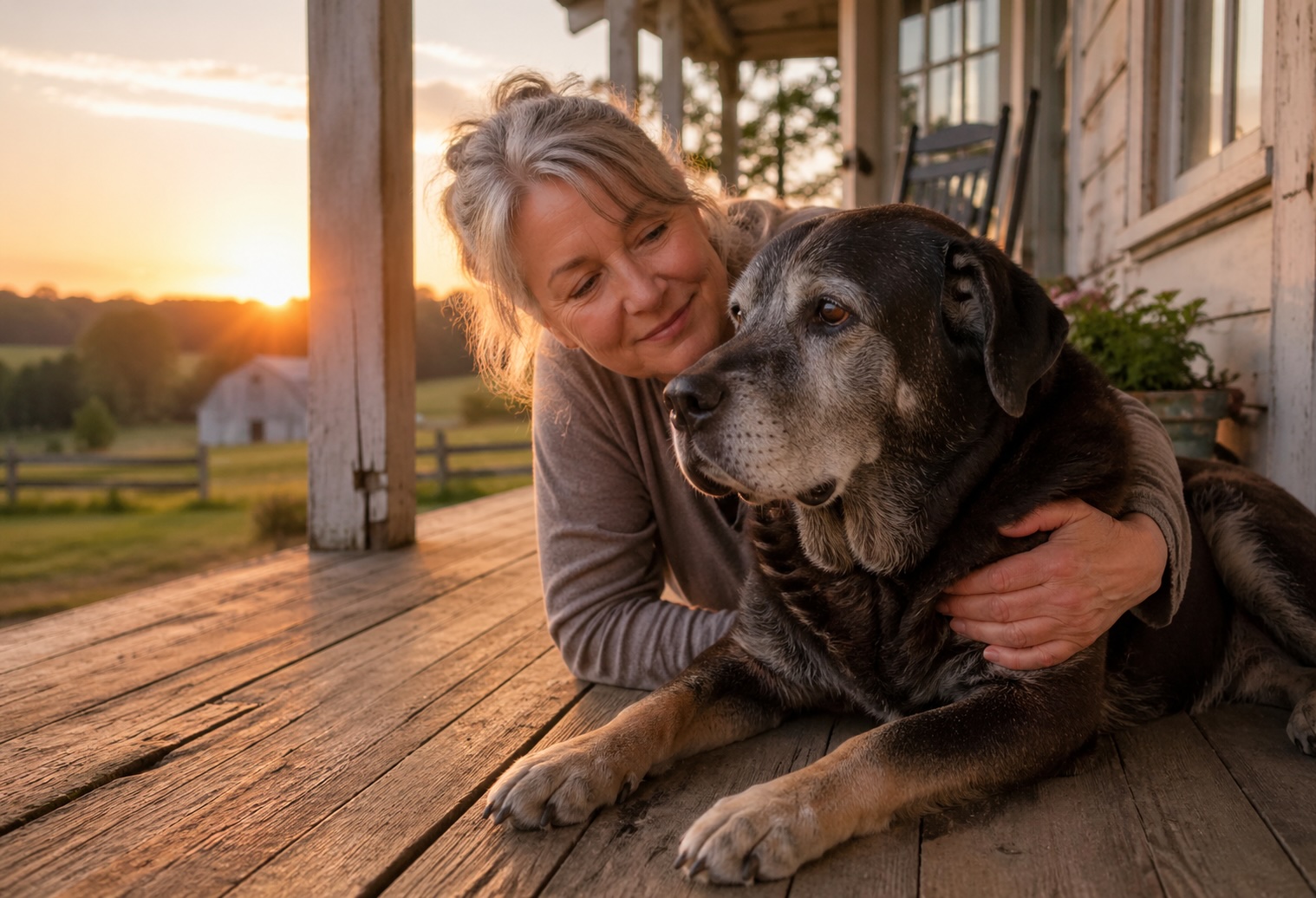
I have spent enough years around dogs to know that age changes the pace, but it does not dim the soul. A senior dog may move slower across the floorboards, take a little longer to settle after a walk, or need help climbing into the truck, yet those older eyes often carry a steadiness you do not find in the young ones. Rehoming senior dogs is not always the first path people consider when looking for a companion dog, therapy dog prospect, or retired service dog, but it deserves far more respect than it gets.
There is a certain honesty in an older dog. By the time a dog reaches the senior years, much of the guesswork is gone. Temperament is clearer. Habits are easier to read. Energy level is less of a gamble. For families, individuals, and handlers searching for a calm, loyal presence, an older dog can be one of the finest choices they will ever make. Even so, bringing home a senior dog comes with challenges that should be met with clear eyes and a willing heart.
Why Senior Dogs End Up Needing New Homes
Folks sometimes imagine that a senior dog in need of rehoming must have done something wrong. Most of the time, that is simply not the case. Life changes are often the real culprit. An owner may pass away, move into assisted living, face illness, lose housing, or find themselves physically unable to care for the dog they have loved for years. In other cases, financial strain makes ongoing veterinary care hard to manage. Some senior dogs also come from rescue situations where they were overlooked for younger, bouncier dogs.
That matters because understanding the reason behind the rehoming helps shape expectations. A dog grieving the loss of an owner may not settle overnight. A retired service dog may be highly trained but confused by a quieter routine. A former therapy dog may be social and gentle, yet still need time to understand a new household. Rehoming is not just a transfer of ownership. It is a full change of world for the dog.
The Emotional Weight of Rehoming an Older Dog
If you have ever watched a seasoned old hound sit by a door waiting for someone who is not coming back, you know this process can carry real emotional weight. Senior dogs often form deep, stable attachments. When they lose that anchor, they can become withdrawn, restless, vocal, or unusually clingy. That does not mean they are broken. It means they are adjusting the only way they know how.
New adopters sometimes mistake that sadness for poor temperament. I always tell people to give a senior dog room to feel the loss without punishing it. Keep routines steady. Feed at the same times each day. Offer a quiet sleeping area. Speak calmly. Let the dog learn your voice, your footsteps, and the rhythm of your home. Trust is not always loud. Sometimes it shows up in a senior dog finally choosing to nap with its back to you, knowing it is safe enough to rest.
Patience Is Not Optional
Young dogs may crash into a new home like a storm and claim the sofa by sundown. Older dogs often take the scenic route. They may pace. They may hesitate at thresholds. They may not eat well the first day or two. Some need a week before their tail loosens up. Others need longer. Rehoming senior dogs successfully depends on patience more than nearly anything else.
That patience matters even more when the dog may become a companion animal for an older adult, a therapy dog candidate with the right temperament, or a retired service dog transitioning into family life. These dogs often bring tremendous emotional value, but they still need time to understand where they belong now.
The Practical Challenges of Rehoming Senior Dogs
Now we come to the part that should never be sugarcoated. Senior dogs can require more care. Veterinary costs may be higher. Arthritis, dental disease, hearing loss, cloudy vision, skin issues, and age-related anxiety are common. Some older dogs are on medication. Others need special diets or more frequent bathroom breaks. If you are rehoming a senior dog, honesty about these realities is better than wishful thinking.
Still, practical challenges do not make senior dogs poor candidates for adoption. They simply mean the adopter should be prepared. Before bringing a senior dog home, it helps to know as much as possible about medical history, mobility, behavior around children and other animals, house training, and daily routine. The more information you gather, the smoother the landing tends to be.
Home Setup Makes a Big Difference
A good setup can spare a senior dog from unnecessary stress. Slick floors can be hard on weak hips, so rugs or runners may help. A supportive bed in a draft-free spot gives older joints a place to recover. Ramps can be useful for cars, porches, or furniture if the dog has long been accustomed to sleeping near its people. For dogs with fading eyesight, keeping furniture in consistent places prevents confusion. Small changes in the home can create a great deal of comfort.
This is especially important when the dog is expected to serve in a support role, even informally. A companion dog for a senior citizen, for instance, should feel physically secure in its environment. A retired therapy or service dog needs a household that respects both its age and its previous working life.
The Rewards That Make It Worthwhile
For all the challenges, there is a reason many experienced dog people develop a soft spot for the old ones. Rehoming a senior dog can be one of the most rewarding things you ever do. Older dogs often settle into companionship with a kind of grace that younger dogs have not yet learned. They are usually past the chewing, the wild rebellion, and the ceaseless need to test every boundary. What they want is simple: security, comfort, and someone to belong to.
I have seen senior dogs walk into a house uncertain and quiet, then, over the course of weeks, begin to shine. The dog that would not lift its head starts greeting you at the door. The one that barely touched dinner starts licking the bowl clean. A dog that once slept curled tight in the corner stretches out in the middle of the living room like it owns the place. Those are small moments, but they carry weight. You are watching trust return.
For families wanting a companion dog, an older dog can be a steadier match than a puppy. For those interested in therapy dog qualities, many senior dogs already have the calm nature and social balance that matter so much in comforting settings. And for people learning about service dogs, it is worth understanding that retired service dogs often transition beautifully into home life, bringing remarkable manners and emotional sensitivity with them.
Senior Dogs and the Human Heart
There is something about an aging dog that sharpens a person's sense of time. You know from the start that the road may be shorter. That truth scares some folks off. I understand it. But I have also learned that length of time is not the only measure of value. A year with the right senior dog can hold more quiet companionship, gratitude, and mutual understanding than many longer relationships ever do.
Senior dogs have a way of meeting people where they are. A widow living alone, a veteran adjusting to a new routine, a family wanting a gentle dog after a hard season, or someone simply seeking a calm and faithful friend may all find exactly what they need in an older dog. Rehoming a senior dog is not charity in the shallow sense. It is a partnership. The dog gets safety and care. The person gets loyalty that feels earned and deeply real.
How to Help a Senior Dog Thrive After Rehoming
Success usually comes down to consistency and observation. Keep meals, walks, bathroom breaks, and bedtime on a regular schedule. Introduce new people and pets slowly. Do not overwhelm the dog with too much freedom or too many changes all at once. Let the dog build confidence room by room, day by day.
Work closely with a veterinarian early on, especially if you suspect pain or sensory decline. Pain can masquerade as stubbornness, and confusion can look like disobedience. Gentle exercise, proper nutrition, and realistic expectations go a long way. Mental enrichment still matters too. Short sniff walks, food puzzles, and calm interaction can help an older dog stay engaged without exhausting it.
If the dog has a background in therapy work, service work, or close companionship, respect the habits formed over a lifetime. Some dogs are comforted by structure because they spent years with a job to do. Others need help learning that retirement is safe. Either way, your role is to provide clarity, patience, and a stable bond.
Final Thoughts on Rehoming Senior Dogs
Rehoming senior dogs is not always the easiest road, but easy is overrated. The best things with dogs rarely come from convenience alone. They come from showing up, day after day, with steadiness and heart. An older dog may arrive carrying grief, stiffness, and uncertainty, but it can also bring wisdom, gentleness, and a level of companionship that settles deep into a home.
If you are considering a companion dog, learning about therapy dogs, or exploring the life and transition of service dogs, do not overlook the seniors. They may not have puppy flash or endless stamina, but many of them have exactly what people are truly looking for: loyalty without noise, affection without chaos, and a calm presence that feels like it has been earned the hard way. Give a senior dog a fair chance, and you may find that the rescue goes both directions.
There is a certain honesty in an older dog. By the time a dog reaches the senior years, much of the guesswork is gone. Temperament is clearer. Habits are easier to read. Energy level is less of a gamble. For families, individuals, and handlers searching for a calm, loyal presence, an older dog can be one of the finest choices they will ever make. Even so, bringing home a senior dog comes with challenges that should be met with clear eyes and a willing heart.
Why Senior Dogs End Up Needing New Homes
Folks sometimes imagine that a senior dog in need of rehoming must have done something wrong. Most of the time, that is simply not the case. Life changes are often the real culprit. An owner may pass away, move into assisted living, face illness, lose housing, or find themselves physically unable to care for the dog they have loved for years. In other cases, financial strain makes ongoing veterinary care hard to manage. Some senior dogs also come from rescue situations where they were overlooked for younger, bouncier dogs.
That matters because understanding the reason behind the rehoming helps shape expectations. A dog grieving the loss of an owner may not settle overnight. A retired service dog may be highly trained but confused by a quieter routine. A former therapy dog may be social and gentle, yet still need time to understand a new household. Rehoming is not just a transfer of ownership. It is a full change of world for the dog.
The Emotional Weight of Rehoming an Older Dog
If you have ever watched a seasoned old hound sit by a door waiting for someone who is not coming back, you know this process can carry real emotional weight. Senior dogs often form deep, stable attachments. When they lose that anchor, they can become withdrawn, restless, vocal, or unusually clingy. That does not mean they are broken. It means they are adjusting the only way they know how.
New adopters sometimes mistake that sadness for poor temperament. I always tell people to give a senior dog room to feel the loss without punishing it. Keep routines steady. Feed at the same times each day. Offer a quiet sleeping area. Speak calmly. Let the dog learn your voice, your footsteps, and the rhythm of your home. Trust is not always loud. Sometimes it shows up in a senior dog finally choosing to nap with its back to you, knowing it is safe enough to rest.
Patience Is Not Optional
Young dogs may crash into a new home like a storm and claim the sofa by sundown. Older dogs often take the scenic route. They may pace. They may hesitate at thresholds. They may not eat well the first day or two. Some need a week before their tail loosens up. Others need longer. Rehoming senior dogs successfully depends on patience more than nearly anything else.
That patience matters even more when the dog may become a companion animal for an older adult, a therapy dog candidate with the right temperament, or a retired service dog transitioning into family life. These dogs often bring tremendous emotional value, but they still need time to understand where they belong now.
The Practical Challenges of Rehoming Senior Dogs
Now we come to the part that should never be sugarcoated. Senior dogs can require more care. Veterinary costs may be higher. Arthritis, dental disease, hearing loss, cloudy vision, skin issues, and age-related anxiety are common. Some older dogs are on medication. Others need special diets or more frequent bathroom breaks. If you are rehoming a senior dog, honesty about these realities is better than wishful thinking.
Still, practical challenges do not make senior dogs poor candidates for adoption. They simply mean the adopter should be prepared. Before bringing a senior dog home, it helps to know as much as possible about medical history, mobility, behavior around children and other animals, house training, and daily routine. The more information you gather, the smoother the landing tends to be.
Home Setup Makes a Big Difference
A good setup can spare a senior dog from unnecessary stress. Slick floors can be hard on weak hips, so rugs or runners may help. A supportive bed in a draft-free spot gives older joints a place to recover. Ramps can be useful for cars, porches, or furniture if the dog has long been accustomed to sleeping near its people. For dogs with fading eyesight, keeping furniture in consistent places prevents confusion. Small changes in the home can create a great deal of comfort.
This is especially important when the dog is expected to serve in a support role, even informally. A companion dog for a senior citizen, for instance, should feel physically secure in its environment. A retired therapy or service dog needs a household that respects both its age and its previous working life.
The Rewards That Make It Worthwhile
For all the challenges, there is a reason many experienced dog people develop a soft spot for the old ones. Rehoming a senior dog can be one of the most rewarding things you ever do. Older dogs often settle into companionship with a kind of grace that younger dogs have not yet learned. They are usually past the chewing, the wild rebellion, and the ceaseless need to test every boundary. What they want is simple: security, comfort, and someone to belong to.
I have seen senior dogs walk into a house uncertain and quiet, then, over the course of weeks, begin to shine. The dog that would not lift its head starts greeting you at the door. The one that barely touched dinner starts licking the bowl clean. A dog that once slept curled tight in the corner stretches out in the middle of the living room like it owns the place. Those are small moments, but they carry weight. You are watching trust return.
For families wanting a companion dog, an older dog can be a steadier match than a puppy. For those interested in therapy dog qualities, many senior dogs already have the calm nature and social balance that matter so much in comforting settings. And for people learning about service dogs, it is worth understanding that retired service dogs often transition beautifully into home life, bringing remarkable manners and emotional sensitivity with them.
Senior Dogs and the Human Heart
There is something about an aging dog that sharpens a person's sense of time. You know from the start that the road may be shorter. That truth scares some folks off. I understand it. But I have also learned that length of time is not the only measure of value. A year with the right senior dog can hold more quiet companionship, gratitude, and mutual understanding than many longer relationships ever do.
Senior dogs have a way of meeting people where they are. A widow living alone, a veteran adjusting to a new routine, a family wanting a gentle dog after a hard season, or someone simply seeking a calm and faithful friend may all find exactly what they need in an older dog. Rehoming a senior dog is not charity in the shallow sense. It is a partnership. The dog gets safety and care. The person gets loyalty that feels earned and deeply real.
How to Help a Senior Dog Thrive After Rehoming
Success usually comes down to consistency and observation. Keep meals, walks, bathroom breaks, and bedtime on a regular schedule. Introduce new people and pets slowly. Do not overwhelm the dog with too much freedom or too many changes all at once. Let the dog build confidence room by room, day by day.
Work closely with a veterinarian early on, especially if you suspect pain or sensory decline. Pain can masquerade as stubbornness, and confusion can look like disobedience. Gentle exercise, proper nutrition, and realistic expectations go a long way. Mental enrichment still matters too. Short sniff walks, food puzzles, and calm interaction can help an older dog stay engaged without exhausting it.
If the dog has a background in therapy work, service work, or close companionship, respect the habits formed over a lifetime. Some dogs are comforted by structure because they spent years with a job to do. Others need help learning that retirement is safe. Either way, your role is to provide clarity, patience, and a stable bond.
Final Thoughts on Rehoming Senior Dogs
Rehoming senior dogs is not always the easiest road, but easy is overrated. The best things with dogs rarely come from convenience alone. They come from showing up, day after day, with steadiness and heart. An older dog may arrive carrying grief, stiffness, and uncertainty, but it can also bring wisdom, gentleness, and a level of companionship that settles deep into a home.
If you are considering a companion dog, learning about therapy dogs, or exploring the life and transition of service dogs, do not overlook the seniors. They may not have puppy flash or endless stamina, but many of them have exactly what people are truly looking for: loyalty without noise, affection without chaos, and a calm presence that feels like it has been earned the hard way. Give a senior dog a fair chance, and you may find that the rescue goes both directions.



View all 0 comments