Are Rescue Dogs Good With Kids?
What Families Should Know Before Bringing One Home
Jeff Davis | https://rescuedogcentral.com
 0
0 0
0 0
0 0
0 0
0
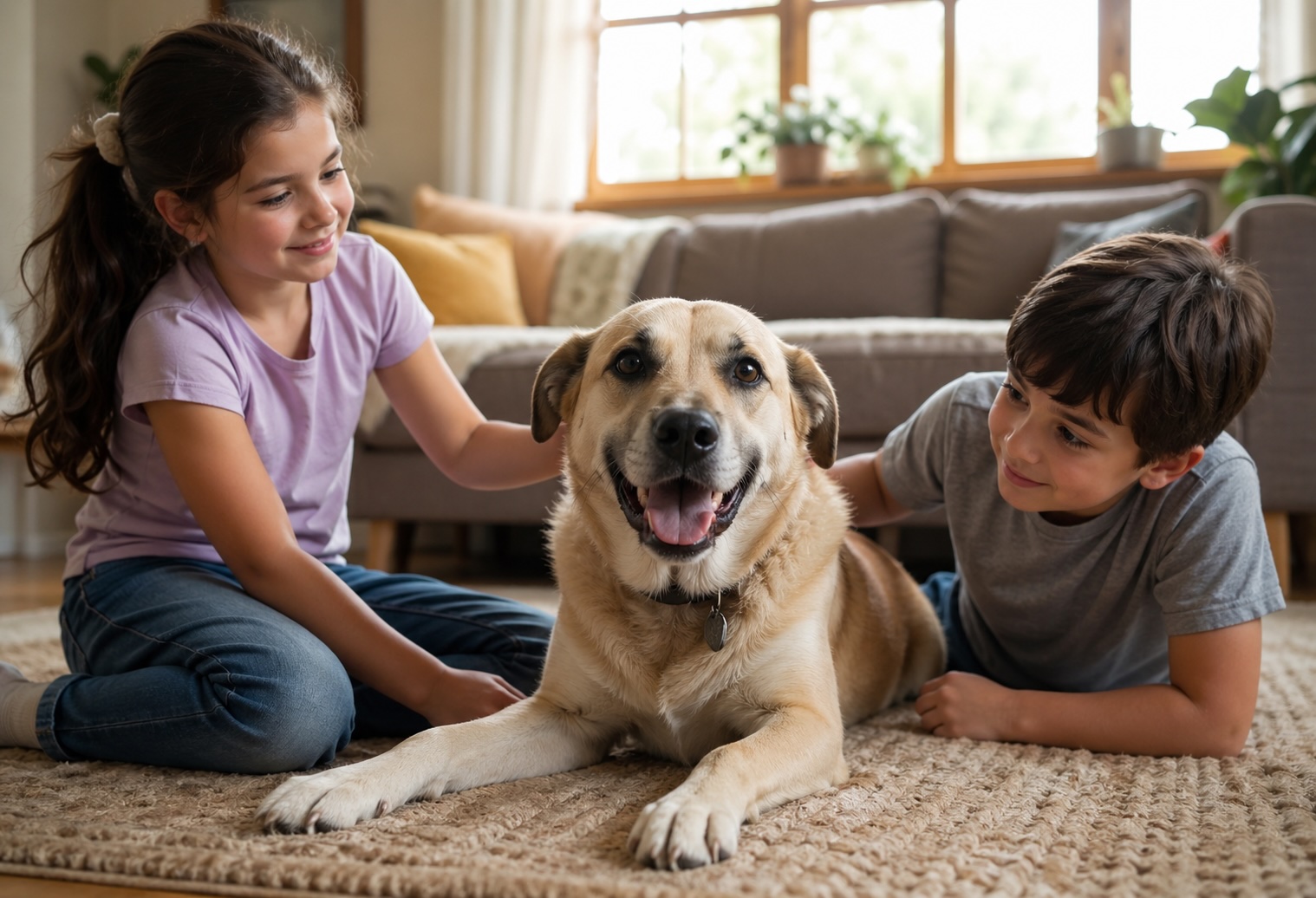
Folks ask this question all the time, and I understand why. When children are in the house, you are not just choosing a pet. You are choosing a companion, a teacher, a comfort in hard seasons, and sometimes a dog that grows into something even more meaningful, whether that is a steady companion dog, a therapy prospect, or a service-minded animal with the right foundation. The short answer is that rescue dogs can be wonderful with kids. I have seen it with my own eyes more times than I can count. But the honest answer is a little more careful than that. A rescue dog is not good or bad with kids just because it came from a shelter or a rescue. What matters is temperament, history, handling, training, and the way the adults in the home set the dog up to succeed.
Out in the field and around home, I have learned something that applies to dogs as much as it does to people: background matters, but character matters more. A dog may come from a rough start and still turn out gentle as spring rain with children. Another may come from a tidy breeder setup and still be nervous, mouthy, or overwhelmed by the racket and quick movement that kids naturally bring. Rescue is not a red flag. It is simply a chapter in the dog’s story.
What Makes a Rescue Dog Good With Children?
The best family dogs usually share a few traits. They recover well from surprises. They do not guard food, toys, or resting places. They can handle noise without coming unraveled. They show curiosity instead of fear when something unfamiliar happens. Most important of all, they look to people for guidance rather than taking matters into their own paws. Those are the signs I watch for, whether I am meeting a dog at a foster home, a shelter yard, or a quiet corner of a rescue event.
When you are thinking about kids, age matters too. A dog that is sweet with respectful older children may feel pressured by toddlers who stumble, grab, squeal, and move like little whirlwinds. Some rescue dogs thrive in a home with teenagers but struggle in a house with babies and preschoolers. That does not make them bad dogs. It means they need the right match. A good rescue or foster family will tell you this plainly, and if they do not, I would keep my eyes open.
Temperament Matters More Than Breed Labels
People often want a simple breed-based answer. They ask whether Labradors, hounds, shepherds, or mixed breeds are best with children. Breed tendencies can give you clues, but they are not the whole map. I have known hounds that would let a child lean against them during story time and shepherds that treated the family like their own flock. I have also known dogs from famously family-friendly breeds that were too anxious for the noise and unpredictability of a busy home. A rescue dog should be judged as an individual first.
If your goal is a future therapy dog or a deeply steady companion dog, that individual temperament becomes even more important. You want a dog that is people-oriented, calm under pressure, and able to handle touch, movement, and strange environments without shutting down or overreacting. Those qualities are often easier to spot in a dog that has lived in foster care than one who is stressed inside a shelter kennel.
The Shelter Dog Myth That Needs To Go
There is a stubborn myth that rescue dogs are damaged, unpredictable, or risky around children. I have never had much patience for that sort of talk. Some rescue dogs have known neglect, inconsistency, or poor socialization. That is true. But many land in rescue because of housing troubles, medical bills, divorce, military relocation, or an owner passing away. I have met dogs surrendered through no fault of their own, still carrying all the manners and soft nature in the world.
Even dogs with hard histories can become safe and loving family members when they are evaluated honestly and placed responsibly. The key is not pretending every rescue dog fits every home. The key is matching the dog to the family. A rescue with a calm temperament and good guidance may do beautifully with children. A dog with significant fear, bite history, or intense resource guarding may need an adult-only household. Good rescues know the difference.
How To Tell If a Rescue Dog Is a Good Match for Your Family
If I were helping a family choose a rescue dog, I would pay close attention to how the dog responds to ordinary chaos. Watch what happens when doors open, voices rise, toys move, or people stand up suddenly. Does the dog stay soft and curious, or does the body get stiff? A loose wag is less important than loose muscles, relaxed eyes, and the ability to settle after excitement.
You also want to ask direct questions. Has the dog lived with children before? What ages? Does the dog tolerate handling? Has anyone noticed growling around food or furniture? How does the dog respond to loud noises? Is the dog crate trained? Can the dog relax after play, or does it stay wound up? These are not rude questions. They are family safety questions, and any responsible rescue should welcome them.
Meet-and-Greets Should Be Slow and Honest
A proper introduction tells you a great deal. I prefer calm, structured meet-and-greets over emotional first impressions. Let the dog approach at its own pace. Keep children seated or standing quietly. No hugging, crowding, or high-pitched rushing in. You are looking for comfort, not forced affection. Some excellent family dogs are not instantly cuddly. They may simply sniff, observe, and settle nearby. That is often a better sign than frantic jumping and overstimulation.
One old lesson from hunting camp carries over nicely here: the steadiest dog is not always the flashiest one on day one. Sometimes the best dog in the bunch is the one with enough sense to take stock of the situation before diving in. In a family home, that kind of balance is worth its weight in gold.
Kids Need Training Too
Any article on rescue dogs and children that puts all the responsibility on the dog is missing the mark. Children need to learn how to live with dogs safely and respectfully. No climbing, cornering, ear pulling, interrupting meals, or bothering a resting dog. No taking toys from the dog’s mouth. No treating the crate like a fort to crawl into. When adults teach those rules consistently, they protect both child and dog.
Most bite incidents happen because warning signs were missed or a dog was pushed too far. Families should learn to recognize stress signals such as lip licking, yawning when not tired, turning away, freezing, whale eye, tucked posture, and low growls. A growl is communication, not betrayal. Punish the warning, and you may lose it next time. Respect the warning, manage the situation, and help the dog feel safe.
Can Rescue Dogs Become Therapy or Service Dog Candidates?
Some can, and I have seen rescue dogs blossom into remarkable working companions. That said, not every friendly family dog is suited for therapy work, and service dog standards are even higher. A dog considered for those roles must be exceptionally stable, trainable, healthy, and unshaken by distraction. Rescue status does not rule that out. Plenty of rescue dogs have the heart and mind for it. But selection has to be careful and realistic.
For families simply wanting a deeply bonded companion dog, the path is often more forgiving. A rescue dog that is affectionate, adaptable, and safe around children can enrich a household beyond measure even if it never wears a therapy vest or learns advanced task work. Sometimes the dog that curls up beside a worried child after a long school day is doing a kind of healing all its own.
Setting Your Rescue Dog Up for Success at Home
The first few weeks matter more than many people realize. Keep routines simple. Give the dog a quiet place to rest. Supervise every interaction with young children. Use leashes indoors if needed during the transition. Feed in a separate space. Reward calm behavior. Keep excitement low and structure high. Families often want instant harmony, but what builds real trust is consistency.
I remember one rescue hound mix that came into a family I knew, a house full of noise, boots by the back door, and two little boys who had the energy of squirrels at sunrise. That dog was uncertain the first week, pacing the edges of the room and watching every movement. The parents did things right. They slowed the boys down, gave the dog a bed no one could disturb, and made every interaction predictable. By the end of the month, that hound was lying under the kitchen table during homework and trotting beside the youngest boy like he had been born for the job. Not because luck carried the day, but because patience did.
When a Rescue Dog May Not Be the Right Fit for Kids
There are times when the answer should be no, at least for now. If a dog has a known bite history involving children, severe fear around handling, intense prey drive toward fast movement, or guarding behavior that has not been addressed, a home with kids may be too much. Likewise, some families are not in a season of life that allows for slow introductions, management, and training. There is no shame in that. The right dog at the wrong time is still the wrong fit.
The safest families are the ones willing to walk away from a mismatch, even when the dog is beautiful or the story pulls at the heart. Good decisions are not made from pity alone. They are made from honesty, responsibility, and a long view of what a child and a dog both need to thrive.
So, Are Rescue Dogs Good With Kids?
Yes, many rescue dogs are excellent with kids, and some turn into the very soul of a family. But the label rescue tells you less than the dog standing in front of you. Look at temperament. Ask hard questions. Respect the dog’s limits. Teach your children well. Choose with patience rather than impulse.
If you do that, a rescue dog can become more than a pet. It can become a steady companion on muddy walks, a soft place for a child to land after a rough day, and in the right case, even the foundation for therapy or service work down the road. In my experience, the finest dogs are not always the ones with the cleanest beginnings. Sometimes they are the ones that found their people and, once given a fair chance, never looked back.
Out in the field and around home, I have learned something that applies to dogs as much as it does to people: background matters, but character matters more. A dog may come from a rough start and still turn out gentle as spring rain with children. Another may come from a tidy breeder setup and still be nervous, mouthy, or overwhelmed by the racket and quick movement that kids naturally bring. Rescue is not a red flag. It is simply a chapter in the dog’s story.
What Makes a Rescue Dog Good With Children?
The best family dogs usually share a few traits. They recover well from surprises. They do not guard food, toys, or resting places. They can handle noise without coming unraveled. They show curiosity instead of fear when something unfamiliar happens. Most important of all, they look to people for guidance rather than taking matters into their own paws. Those are the signs I watch for, whether I am meeting a dog at a foster home, a shelter yard, or a quiet corner of a rescue event.
When you are thinking about kids, age matters too. A dog that is sweet with respectful older children may feel pressured by toddlers who stumble, grab, squeal, and move like little whirlwinds. Some rescue dogs thrive in a home with teenagers but struggle in a house with babies and preschoolers. That does not make them bad dogs. It means they need the right match. A good rescue or foster family will tell you this plainly, and if they do not, I would keep my eyes open.
Temperament Matters More Than Breed Labels
People often want a simple breed-based answer. They ask whether Labradors, hounds, shepherds, or mixed breeds are best with children. Breed tendencies can give you clues, but they are not the whole map. I have known hounds that would let a child lean against them during story time and shepherds that treated the family like their own flock. I have also known dogs from famously family-friendly breeds that were too anxious for the noise and unpredictability of a busy home. A rescue dog should be judged as an individual first.
If your goal is a future therapy dog or a deeply steady companion dog, that individual temperament becomes even more important. You want a dog that is people-oriented, calm under pressure, and able to handle touch, movement, and strange environments without shutting down or overreacting. Those qualities are often easier to spot in a dog that has lived in foster care than one who is stressed inside a shelter kennel.
The Shelter Dog Myth That Needs To Go
There is a stubborn myth that rescue dogs are damaged, unpredictable, or risky around children. I have never had much patience for that sort of talk. Some rescue dogs have known neglect, inconsistency, or poor socialization. That is true. But many land in rescue because of housing troubles, medical bills, divorce, military relocation, or an owner passing away. I have met dogs surrendered through no fault of their own, still carrying all the manners and soft nature in the world.
Even dogs with hard histories can become safe and loving family members when they are evaluated honestly and placed responsibly. The key is not pretending every rescue dog fits every home. The key is matching the dog to the family. A rescue with a calm temperament and good guidance may do beautifully with children. A dog with significant fear, bite history, or intense resource guarding may need an adult-only household. Good rescues know the difference.
How To Tell If a Rescue Dog Is a Good Match for Your Family
If I were helping a family choose a rescue dog, I would pay close attention to how the dog responds to ordinary chaos. Watch what happens when doors open, voices rise, toys move, or people stand up suddenly. Does the dog stay soft and curious, or does the body get stiff? A loose wag is less important than loose muscles, relaxed eyes, and the ability to settle after excitement.
You also want to ask direct questions. Has the dog lived with children before? What ages? Does the dog tolerate handling? Has anyone noticed growling around food or furniture? How does the dog respond to loud noises? Is the dog crate trained? Can the dog relax after play, or does it stay wound up? These are not rude questions. They are family safety questions, and any responsible rescue should welcome them.
Meet-and-Greets Should Be Slow and Honest
A proper introduction tells you a great deal. I prefer calm, structured meet-and-greets over emotional first impressions. Let the dog approach at its own pace. Keep children seated or standing quietly. No hugging, crowding, or high-pitched rushing in. You are looking for comfort, not forced affection. Some excellent family dogs are not instantly cuddly. They may simply sniff, observe, and settle nearby. That is often a better sign than frantic jumping and overstimulation.
One old lesson from hunting camp carries over nicely here: the steadiest dog is not always the flashiest one on day one. Sometimes the best dog in the bunch is the one with enough sense to take stock of the situation before diving in. In a family home, that kind of balance is worth its weight in gold.
Kids Need Training Too
Any article on rescue dogs and children that puts all the responsibility on the dog is missing the mark. Children need to learn how to live with dogs safely and respectfully. No climbing, cornering, ear pulling, interrupting meals, or bothering a resting dog. No taking toys from the dog’s mouth. No treating the crate like a fort to crawl into. When adults teach those rules consistently, they protect both child and dog.
Most bite incidents happen because warning signs were missed or a dog was pushed too far. Families should learn to recognize stress signals such as lip licking, yawning when not tired, turning away, freezing, whale eye, tucked posture, and low growls. A growl is communication, not betrayal. Punish the warning, and you may lose it next time. Respect the warning, manage the situation, and help the dog feel safe.
Can Rescue Dogs Become Therapy or Service Dog Candidates?
Some can, and I have seen rescue dogs blossom into remarkable working companions. That said, not every friendly family dog is suited for therapy work, and service dog standards are even higher. A dog considered for those roles must be exceptionally stable, trainable, healthy, and unshaken by distraction. Rescue status does not rule that out. Plenty of rescue dogs have the heart and mind for it. But selection has to be careful and realistic.
For families simply wanting a deeply bonded companion dog, the path is often more forgiving. A rescue dog that is affectionate, adaptable, and safe around children can enrich a household beyond measure even if it never wears a therapy vest or learns advanced task work. Sometimes the dog that curls up beside a worried child after a long school day is doing a kind of healing all its own.
Setting Your Rescue Dog Up for Success at Home
The first few weeks matter more than many people realize. Keep routines simple. Give the dog a quiet place to rest. Supervise every interaction with young children. Use leashes indoors if needed during the transition. Feed in a separate space. Reward calm behavior. Keep excitement low and structure high. Families often want instant harmony, but what builds real trust is consistency.
I remember one rescue hound mix that came into a family I knew, a house full of noise, boots by the back door, and two little boys who had the energy of squirrels at sunrise. That dog was uncertain the first week, pacing the edges of the room and watching every movement. The parents did things right. They slowed the boys down, gave the dog a bed no one could disturb, and made every interaction predictable. By the end of the month, that hound was lying under the kitchen table during homework and trotting beside the youngest boy like he had been born for the job. Not because luck carried the day, but because patience did.
When a Rescue Dog May Not Be the Right Fit for Kids
There are times when the answer should be no, at least for now. If a dog has a known bite history involving children, severe fear around handling, intense prey drive toward fast movement, or guarding behavior that has not been addressed, a home with kids may be too much. Likewise, some families are not in a season of life that allows for slow introductions, management, and training. There is no shame in that. The right dog at the wrong time is still the wrong fit.
The safest families are the ones willing to walk away from a mismatch, even when the dog is beautiful or the story pulls at the heart. Good decisions are not made from pity alone. They are made from honesty, responsibility, and a long view of what a child and a dog both need to thrive.
So, Are Rescue Dogs Good With Kids?
Yes, many rescue dogs are excellent with kids, and some turn into the very soul of a family. But the label rescue tells you less than the dog standing in front of you. Look at temperament. Ask hard questions. Respect the dog’s limits. Teach your children well. Choose with patience rather than impulse.
If you do that, a rescue dog can become more than a pet. It can become a steady companion on muddy walks, a soft place for a child to land after a rough day, and in the right case, even the foundation for therapy or service work down the road. In my experience, the finest dogs are not always the ones with the cleanest beginnings. Sometimes they are the ones that found their people and, once given a fair chance, never looked back.


View all 0 comments