Building Trust With a Previously Neglected Dog
Jeff Davis | https://rescuedogcentral.com
 0
0 0
0 0
0 0
0 0
0
There is a certain look a neglected dog carries when it first comes through your door. I have seen it in the kennel, in the back of a rescue transport van, and standing stiff-legged in a muddy yard with ears pinned and eyes working overtime. It is not meanness. It is not stubbornness. It is a hard-earned caution, the kind that comes from living too long without steady care, fair handling, or any reason to believe a human hand will bring comfort instead of trouble.
If you want to build trust with a previously neglected dog, you have to think like a patient woodsman. Out in the field, you do not force a wild thing to settle. You learn its distance, respect its fear, and let consistency do the heavy lifting. A neglected dog is much the same. Whether that dog is destined to become a beloved companion, a calm therapy dog, or even show the right character for service work, trust is the first trail marker. Without it, nothing else holds.
Understanding What Neglect Leaves Behind
Neglect does not always leave scars you can see. Sometimes the damage shows up in a dog that flinches when you reach too fast, freezes at the sound of footsteps, gulps food as if it might disappear, or paces at night because rest never felt safe before. Other times it looks like indifference. Folks often mistake a shut-down dog for an easy one, but many neglected dogs go quiet because they learned their needs were ignored.
Before you ask a dog to trust you, it helps to understand what that dog may be carrying. Poor socialization, inconsistent feeding, rough handling, long isolation, untreated medical issues, and chaotic environments can all shape behavior. A dog that avoids eye contact may not be aloof. A dog that barks, spins, or hides may simply be trying to survive in the only way it knows. Trust begins when you stop taking that behavior personally.
Fear Is Information, Not Defiance
One lesson I learned early, both around hounds and house dogs, is that fear talks if you know how to listen. A tucked tail, whale eye, lip licking, yawning, trembling, sudden scratching, or refusal to approach are not signs that a dog is trying to win a battle. They are signs the dog does not yet feel safe. When you answer fear with pressure, you push trust farther down the road. When you answer it with steadiness, you give the dog room to come forward on its own terms.
Start With Safety Before Affection
Most people want to love a neglected dog back to normal in a weekend. I understand the urge. The trouble is, affection means little to a dog that does not yet believe the world is predictable. Your first job is not cuddling. Your first job is making life feel safe.
That starts with simple routines. Feed at the same times every day. Walk on a schedule. Keep the dog's sleeping area quiet and undisturbed. Let the dog learn that your home has rhythms, and those rhythms do not shift with every mood or visitor. Predictability is healing. A neglected dog begins to relax when it realizes nobody is going to yank the floor out from under it.
Create a resting place the dog can claim without being bothered. A crate left open, a bed in a low-traffic corner, or a blanket tucked beside your chair can all work, depending on the dog. The point is not confinement. The point is refuge. Every dog needs one place where it does not have to keep watch.
Let the Dog Make the First Move
One of the finest ways to build trust is to stop chasing it. Sit nearby while reading or working. Turn your body slightly sideways instead of squaring up. Speak softly, but do not fill every silence. Toss a treat a few feet away without asking for anything in return. Let the dog study you. Let it approach, retreat, and approach again. That back-and-forth may look small, but it is how confidence grows.
I have sat on many floors waiting out dogs that wanted badly to come closer but did not know if they dared. In those moments, patience is more powerful than any training trick. The dog is learning that you are not there to corner, grab, or overwhelm. You are simply there, calm as a stump in the timber, and that matters.
Use Food, Movement, and Voice With Care
Food can be a bridge, but it should be used thoughtfully. Hand-feeding can build connection with some dogs, yet for others it feels too intimate too soon. Start where the dog is comfortable. You might place meals down and step away, scatter treats to encourage sniffing and decompression, or reward the dog for choosing to come near. Over time, many neglected dogs begin to associate your presence with relief instead of risk.
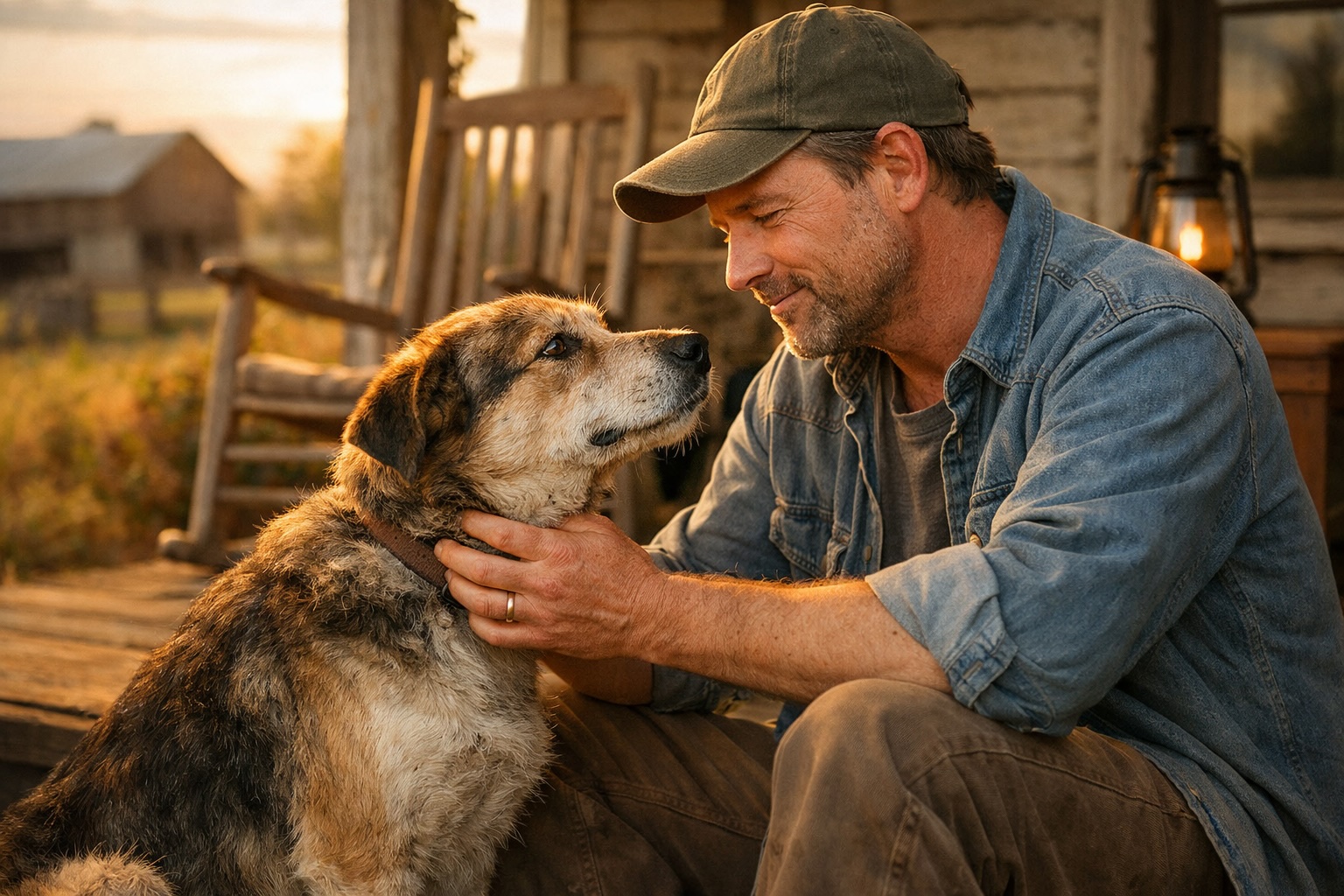
Your movement matters just as much. Move slower than you think you need to. Avoid looming overhead. Kneel or sit rather than bending into the dog's space. Reach under the chin or to the side instead of patting the top of the head right away. To us, a quick touch can mean kindness. To a fearful dog, it can feel like a trap closing.
Voice sets the weather in a room. Keep yours even and low. Excited squealing, sharp corrections, and constant chatter can put a stressed dog on edge. Calm words repeated in a familiar tone become landmarks. The dog may not understand every syllable, but it will understand what your manner predicts.
Build Trust Through Gentle, Honest Training
Once a neglected dog begins to settle, training becomes one of the best trust-building tools you have. Not hard training. Honest training. Clear cues, fair expectations, and generous rewards show a dog that learning with you is safe. That matters tremendously for companion dogs, and it is essential if you hope the dog might one day have the confidence required for therapy work or service dog tasks.
Start small. Teach a marker word or clicker if the dog responds well to it. Reward eye contact, following you a few steps, resting on a mat, or touching a hand target. These simple behaviors create communication. They tell the dog, '"When you try, I will make sense. I will not punish you for guessing wrong" For neglected dogs, that kind of clarity can be life-changing.
Why Pressure Backfires
I have seen folks try to hurry progress because they mean well. They push a frightened dog into meeting guests, force close handling, or insist on obedience when the dog is plainly over threshold. That is like trying to rush a green dog through thick briars before it has learned to trust your whistle. You may get movement, but you will not get confidence.
If a dog shuts down during training, simplify. If the dog startles easily, increase distance from whatever worries it. If touch is difficult, work on consent by rewarding the dog for leaning in or staying present during brief handling. Trust grows when the dog discovers it has choices and that your guidance is not a setup.
Readiness for Companion, Therapy, or Service Dog Paths
Many readers come to Rescue Dog Central because they are interested in companion dogs, therapy dogs, and service dogs. A neglected dog can absolutely blossom into a wonderful companion, and some do become outstanding therapy dogs or service dog candidates.
Still, trust must come before titles.
A strong companion dog bond often develops first. The dog learns your routines, seeks you out, and relaxes in your presence. Therapy dog potential comes later and requires a naturally social, stable temperament around strangers, noise, and handling. Service dog work demands even more: resilience, task aptitude, and unusual steadiness under pressure. Neglect does not automatically disqualify a dog, but neither should a dog be pushed into public-facing roles before it is emotionally ready.
The honest truth is that success is not measured by job title alone. If a once-neglected dog learns to sleep deeply, greet the morning without dread, and rest its head on your knee in peace, that is no small victory. That is a life turned around.
When Setbacks Happen
They will happen. A loud visitor may send the dog backward. A vet appointment may stir old fears. Progress with neglected dogs is rarely a straight line. It comes in layers, and sometimes one hard day makes people feel as though they are back at the beginning. Usually, they are not.
When setbacks come, return to the basics that worked before. Keep routines steady. Lower demands. Protect the dog from extra stress. If needed, bring in a qualified, force-free trainer or veterinary behavior professional, especially if the dog shows severe fear, panic, or aggression. There is no shame in getting skilled help. A good guide can save months of confusion and help keep both dog and handler safe.
The Quiet Signs Trust Is Taking Root
Trust often arrives softly. The dog eats without scanning the room. It sighs and stretches out instead of perching on alert. It follows you from room to room, not out of anxiety but because it wants to be near. It takes a treat gently. It recovers faster after a surprise. One day it leans into your hand for the first time, and if you have done things right, you will understand the weight of that small gesture.
I remember one old rescue that would not cross a doorway unless I stepped far aside and looked away. For weeks we worked that threshold like hunters working a cautious bird dog into new cover, never forcing, just showing the path was clear. Then one rainy evening, without coaxing, he walked through the kitchen, settled by the stove, and fell asleep while I brewed coffee. That was the moment I knew he had begun to believe me.
Building trust with a previously neglected dog is not flashy work. It is quiet, repetitive, and deeply human. You show up on time. You keep your hands kind. You become readable. In a world that once failed that dog, you become steady ground. And from that ground, a real bond can grow strong enough to support a loving home, a dependable companion, or, for the right dog, the meaningful work of therapy or service.
If you are walking this road now, stay patient. Let the dog's pace teach you something. Trust earned slowly is often the trust that lasts.
If you want to build trust with a previously neglected dog, you have to think like a patient woodsman. Out in the field, you do not force a wild thing to settle. You learn its distance, respect its fear, and let consistency do the heavy lifting. A neglected dog is much the same. Whether that dog is destined to become a beloved companion, a calm therapy dog, or even show the right character for service work, trust is the first trail marker. Without it, nothing else holds.
Understanding What Neglect Leaves Behind
Neglect does not always leave scars you can see. Sometimes the damage shows up in a dog that flinches when you reach too fast, freezes at the sound of footsteps, gulps food as if it might disappear, or paces at night because rest never felt safe before. Other times it looks like indifference. Folks often mistake a shut-down dog for an easy one, but many neglected dogs go quiet because they learned their needs were ignored.
Before you ask a dog to trust you, it helps to understand what that dog may be carrying. Poor socialization, inconsistent feeding, rough handling, long isolation, untreated medical issues, and chaotic environments can all shape behavior. A dog that avoids eye contact may not be aloof. A dog that barks, spins, or hides may simply be trying to survive in the only way it knows. Trust begins when you stop taking that behavior personally.
Fear Is Information, Not Defiance
One lesson I learned early, both around hounds and house dogs, is that fear talks if you know how to listen. A tucked tail, whale eye, lip licking, yawning, trembling, sudden scratching, or refusal to approach are not signs that a dog is trying to win a battle. They are signs the dog does not yet feel safe. When you answer fear with pressure, you push trust farther down the road. When you answer it with steadiness, you give the dog room to come forward on its own terms.
Start With Safety Before Affection
Most people want to love a neglected dog back to normal in a weekend. I understand the urge. The trouble is, affection means little to a dog that does not yet believe the world is predictable. Your first job is not cuddling. Your first job is making life feel safe.
That starts with simple routines. Feed at the same times every day. Walk on a schedule. Keep the dog's sleeping area quiet and undisturbed. Let the dog learn that your home has rhythms, and those rhythms do not shift with every mood or visitor. Predictability is healing. A neglected dog begins to relax when it realizes nobody is going to yank the floor out from under it.
Create a resting place the dog can claim without being bothered. A crate left open, a bed in a low-traffic corner, or a blanket tucked beside your chair can all work, depending on the dog. The point is not confinement. The point is refuge. Every dog needs one place where it does not have to keep watch.
Let the Dog Make the First Move
One of the finest ways to build trust is to stop chasing it. Sit nearby while reading or working. Turn your body slightly sideways instead of squaring up. Speak softly, but do not fill every silence. Toss a treat a few feet away without asking for anything in return. Let the dog study you. Let it approach, retreat, and approach again. That back-and-forth may look small, but it is how confidence grows.
I have sat on many floors waiting out dogs that wanted badly to come closer but did not know if they dared. In those moments, patience is more powerful than any training trick. The dog is learning that you are not there to corner, grab, or overwhelm. You are simply there, calm as a stump in the timber, and that matters.
Use Food, Movement, and Voice With Care
Food can be a bridge, but it should be used thoughtfully. Hand-feeding can build connection with some dogs, yet for others it feels too intimate too soon. Start where the dog is comfortable. You might place meals down and step away, scatter treats to encourage sniffing and decompression, or reward the dog for choosing to come near. Over time, many neglected dogs begin to associate your presence with relief instead of risk.
Your movement matters just as much. Move slower than you think you need to. Avoid looming overhead. Kneel or sit rather than bending into the dog's space. Reach under the chin or to the side instead of patting the top of the head right away. To us, a quick touch can mean kindness. To a fearful dog, it can feel like a trap closing.
Voice sets the weather in a room. Keep yours even and low. Excited squealing, sharp corrections, and constant chatter can put a stressed dog on edge. Calm words repeated in a familiar tone become landmarks. The dog may not understand every syllable, but it will understand what your manner predicts.
Build Trust Through Gentle, Honest Training
Once a neglected dog begins to settle, training becomes one of the best trust-building tools you have. Not hard training. Honest training. Clear cues, fair expectations, and generous rewards show a dog that learning with you is safe. That matters tremendously for companion dogs, and it is essential if you hope the dog might one day have the confidence required for therapy work or service dog tasks.
Start small. Teach a marker word or clicker if the dog responds well to it. Reward eye contact, following you a few steps, resting on a mat, or touching a hand target. These simple behaviors create communication. They tell the dog, '"When you try, I will make sense. I will not punish you for guessing wrong" For neglected dogs, that kind of clarity can be life-changing.
Why Pressure Backfires
I have seen folks try to hurry progress because they mean well. They push a frightened dog into meeting guests, force close handling, or insist on obedience when the dog is plainly over threshold. That is like trying to rush a green dog through thick briars before it has learned to trust your whistle. You may get movement, but you will not get confidence.
If a dog shuts down during training, simplify. If the dog startles easily, increase distance from whatever worries it. If touch is difficult, work on consent by rewarding the dog for leaning in or staying present during brief handling. Trust grows when the dog discovers it has choices and that your guidance is not a setup.
Readiness for Companion, Therapy, or Service Dog Paths
Many readers come to Rescue Dog Central because they are interested in companion dogs, therapy dogs, and service dogs. A neglected dog can absolutely blossom into a wonderful companion, and some do become outstanding therapy dogs or service dog candidates.
Still, trust must come before titles.
A strong companion dog bond often develops first. The dog learns your routines, seeks you out, and relaxes in your presence. Therapy dog potential comes later and requires a naturally social, stable temperament around strangers, noise, and handling. Service dog work demands even more: resilience, task aptitude, and unusual steadiness under pressure. Neglect does not automatically disqualify a dog, but neither should a dog be pushed into public-facing roles before it is emotionally ready.
The honest truth is that success is not measured by job title alone. If a once-neglected dog learns to sleep deeply, greet the morning without dread, and rest its head on your knee in peace, that is no small victory. That is a life turned around.
When Setbacks Happen
They will happen. A loud visitor may send the dog backward. A vet appointment may stir old fears. Progress with neglected dogs is rarely a straight line. It comes in layers, and sometimes one hard day makes people feel as though they are back at the beginning. Usually, they are not.
When setbacks come, return to the basics that worked before. Keep routines steady. Lower demands. Protect the dog from extra stress. If needed, bring in a qualified, force-free trainer or veterinary behavior professional, especially if the dog shows severe fear, panic, or aggression. There is no shame in getting skilled help. A good guide can save months of confusion and help keep both dog and handler safe.
The Quiet Signs Trust Is Taking Root
Trust often arrives softly. The dog eats without scanning the room. It sighs and stretches out instead of perching on alert. It follows you from room to room, not out of anxiety but because it wants to be near. It takes a treat gently. It recovers faster after a surprise. One day it leans into your hand for the first time, and if you have done things right, you will understand the weight of that small gesture.
I remember one old rescue that would not cross a doorway unless I stepped far aside and looked away. For weeks we worked that threshold like hunters working a cautious bird dog into new cover, never forcing, just showing the path was clear. Then one rainy evening, without coaxing, he walked through the kitchen, settled by the stove, and fell asleep while I brewed coffee. That was the moment I knew he had begun to believe me.
Building trust with a previously neglected dog is not flashy work. It is quiet, repetitive, and deeply human. You show up on time. You keep your hands kind. You become readable. In a world that once failed that dog, you become steady ground. And from that ground, a real bond can grow strong enough to support a loving home, a dependable companion, or, for the right dog, the meaningful work of therapy or service.
If you are walking this road now, stay patient. Let the dog's pace teach you something. Trust earned slowly is often the trust that lasts.


View all 0 comments