New Rescue Dog Supply Checklist
What You Really Need Before Your Dog Comes Home
Jeff Davis | https://rescuedogcentral.com
 0
0 0
0 0
0 0
0 0
0
Bringing home a rescue dog feels a little like opening the gate before first light and stepping into a field you know holds promise, but not certainty. You can study the terrain, pack your gear, and make a good plan, but the dog in front of you will still have a story of its own. I have lived with companion dogs, worked around therapy and service dog prospects, and brought home more than one rescue that needed time, patience, and the right setup. The biggest mistake I see is folks buying a pile of cute accessories while forgetting the plain, practical supplies that help a dog feel safe from day one.
A good new rescue dog supply checklist is not about spending the most money. It is about creating order, reducing stress, and giving your dog a steady place to land. Whether you are adopting a family companion, hoping to train a therapy dog, or considering a dog with service work potential, the first week matters. The right supplies can make that transition smoother for both ends of the leash.
The first supplies every rescue dog needs
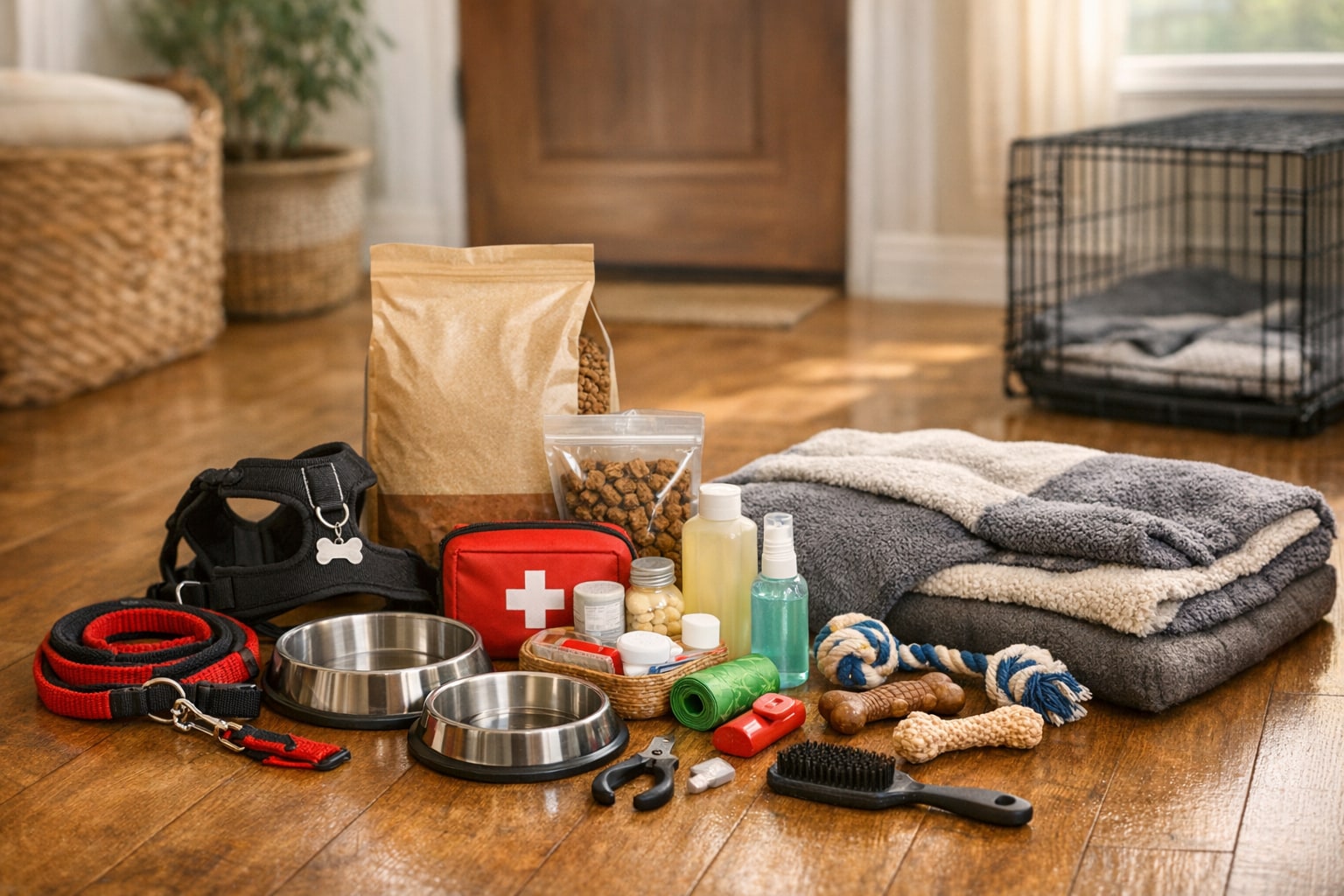
Start with the basics that cover safety, feeding, rest, and management. Every new rescue dog should come home to a properly fitted collar or harness, a sturdy leash, identification tags, food and water bowls, quality dog food, a crate or secure resting area, a dog bed, and a few durable toys. You also need cleanup supplies, including enzymatic cleaner, poop bags, paper towels, and grooming basics like a brush and nail clippers or a grinder.
If I were setting up for a new dog today, I would put safety at the top of the stack. A frightened rescue can slip a loose collar faster than a covey flushes out of grass. A well-fitted martingale collar or secure front-clip harness can be worth its weight in gold during those first uncertain walks. Pair it with a standard six-foot leash. Skip retractable leashes early on. They encourage poor control, and a new rescue needs clear boundaries, not fifty feet of confusion.
Identification matters just as much. Make sure your dog has a tag with your current phone number before you even leave the shelter or foster pickup point if possible. Microchip registration should be updated immediately. Dogs do not get lost because they are bad dogs. They get lost because stress, noise, and new surroundings can overwhelm them.
Choosing food, bowls, and treats
Food sounds simple until you are standing in the pet store staring at a wall of bags. If your rescue has been eating a particular brand in foster care or at the shelter, start there if you can. Sudden food changes often lead to stomach upset, and the first few days are hard enough without adding digestive trouble. Buy enough for at least a couple of weeks, then transition slowly if you plan to switch.
Use sturdy bowls that do not slide all over the floor. Stainless steel is usually the best choice because it is easy to clean and lasts. Keep treats plain and useful. For a new rescue dog, small soft treats work well for building trust, rewarding calm behavior, and introducing routines. If your dog may become a therapy dog or service dog candidate, those early rewards help shape focus and confidence in a gentle, reliable way.
Create a safe place before your rescue dog arrives
One of the best things you can buy is not flashy at all. It is a crate, exercise pen, baby gate, or some combination of the three. Management tools keep a dog from making poor choices before they understand your home. They also give you a way to prevent overwhelm. A rescue dog does not need full run of the house on day one any more than a green hunting pup needs free rein in the duck blind before it has learned steadiness.
A crate should be large enough for the dog to stand, turn around, and lie down comfortably. Add a washable bed or crate pad if the dog is not likely to shred it. Some dogs settle better with a light blanket draped over part of the crate to make it feel den-like. Others need more visibility. Watch the dog in front of you rather than forcing a one-size-fits-all approach.
Set up a quiet corner with the crate or bed, a water bowl, and one or two toys. Keep it away from constant foot traffic if you can. Rescue dogs, especially those coming from crowded shelters or chaotic backgrounds, need a place where nothing is expected of them for a while. That kind of calm is not a luxury. It is part of the adjustment process.
Why management tools matter for therapy and service prospects
If you hope your rescue dog may someday work as a therapy dog or even show the temperament for service training, structure is your friend. Gates and pens help shape calm household behavior. They prevent rehearsal of barking at windows, charging the front door, or pacing from room to room. A dog who learns to settle, observe, and trust routines is being given a strong foundation. Not every rescue dog is suited for working roles, of course, but every dog benefits from a predictable environment.
Walking gear, training tools, and everyday handling supplies
Once the dog is home, the next supplies that earn their keep are the ones tied to daily handling. A harness or collar and leash are just the start. I also like to have a long line for safe decompression in fenced or controlled spaces, a treat pouch, and a seatbelt restraint or secured travel crate for car rides. If you expect regular outings, keep a small grab-and-go bag by the door with poop bags, treats, wipes, and a spare leash.
Training tools do not need to be complicated. In fact, simpler is often better. A clicker can be useful if you know how to use one, but your voice and timing matter more than gadgets. What you do need is consistency. New rescue dogs are trying to read the country around them. They are learning your rhythms, your tone, your expectations, and whether your hand brings guidance or pressure. Good gear supports that learning. It does not replace it.
For grooming and handling, a basic brush matched to your dog’s coat type, dog shampoo, ear cleaner recommended by your vet, and a toothbrush or dental chews are smart additions. If your dog is nervous about being touched, keep those sessions brief and positive. Handling is part of trust-building, not just maintenance.
Household essentials people forget
Most adopters remember the leash and bed. What they often forget are the practical items that save headaches later. Enzymatic cleaner is one of them. Even fully house-trained dogs can have accidents during transition. Stress changes everything. A washable throw blanket for furniture, a mat under water bowls, and a sealed container for dog food can make daily life cleaner and easier.
You may also want a slow feeder if your rescue gulps meals, especially dogs that came from situations where food was uncertain. Puzzle toys and stuffed enrichment toys can help anxious dogs settle and give them something useful to do with nervous energy. I have watched a worried rescue go from pacing the floor to finally exhaling over a frozen food toy, and sometimes that is the first sign that the dog is starting to believe it is safe.
Medications, records, and emergency basics
Keep all adoption paperwork, vaccine records, microchip information, and vet notes in one folder from the start. Pick up any prescribed medications before the first night home. It is also wise to have a pet first aid kit, a thermometer made for pets, and the phone number for your veterinarian and nearest emergency clinic saved in your phone. None of that is dramatic until you need it, and then it matters in a hurry.
What not to buy right away
Here is a piece of old trail wisdom: pack what solves a real problem, not what looks good in camp. The same goes for dog supplies. Do not rush out and buy ten toys, a closet full of outfits, or expensive gadgets before you know your dog’s size, chewing habits, fears, and preferences. Some rescue dogs love plush toys. Others dismantle them in six minutes. Some curl up in fancy beds. Others sleep better on a folded blanket beside your chair for the first week.
Hold off on specialty items until the dog settles in. That includes advanced training gear unless you are working with a qualified trainer and have a specific reason for it. Start with the essentials, observe your dog, and add supplies based on real needs. You will waste less money and make better choices.
Preparing your home for the first week
Supplies alone do not make a smooth transition. How you use them matters. Before your rescue dog arrives, put away shoes, cords, kids’ toys, medications, and anything chewable or dangerous at nose level. Check fences, gates, and door latches. Set feeding and potty routines in advance. Keep introductions to people, pets, and the neighborhood calm and limited at first.
The first week is not the time to test your dog in every busy store, family gathering, and public park. Let the dog breathe. Let the home become familiar. If your long-term goal is a stable companion, a therapy dog, or a service dog in training, patience in the beginning pays off later. Confidence is built, not bought.
I have seen the strongest starts come from homes that were quiet, prepared, and steady. A fresh bowl of water, a secure leash, a simple bed, a safe corner, and a person who pays attention can do more than all the fancy gear in the catalog. Dogs, especially rescues, notice the small things. They notice routine. They notice gentleness. They notice whether they can rest without being pressed.
Final thoughts on a rescue dog checklist that works
The best new rescue dog supply checklist is one built around safety, comfort, and trust. Bring home solid walking gear, identification, good food, bowls, a crate or secure resting space, bedding, cleaning supplies, grooming basics, and a few thoughtful toys or enrichment items. Add management tools like gates or pens, keep records organized, and prepare your home so the dog is not set up to fail.
If you are welcoming a rescue as a family companion, these supplies help them settle into everyday life. If you are evaluating a dog for therapy dog work or wondering about future service potential, the same supplies create the stable foundation that good behavior grows from. In the end, a rescue dog does not need perfection. It needs preparedness, patience, and a home that feels safe when the door closes behind it.
That is the real checklist. The rest is just gear.
A good new rescue dog supply checklist is not about spending the most money. It is about creating order, reducing stress, and giving your dog a steady place to land. Whether you are adopting a family companion, hoping to train a therapy dog, or considering a dog with service work potential, the first week matters. The right supplies can make that transition smoother for both ends of the leash.
The first supplies every rescue dog needs
Start with the basics that cover safety, feeding, rest, and management. Every new rescue dog should come home to a properly fitted collar or harness, a sturdy leash, identification tags, food and water bowls, quality dog food, a crate or secure resting area, a dog bed, and a few durable toys. You also need cleanup supplies, including enzymatic cleaner, poop bags, paper towels, and grooming basics like a brush and nail clippers or a grinder.
If I were setting up for a new dog today, I would put safety at the top of the stack. A frightened rescue can slip a loose collar faster than a covey flushes out of grass. A well-fitted martingale collar or secure front-clip harness can be worth its weight in gold during those first uncertain walks. Pair it with a standard six-foot leash. Skip retractable leashes early on. They encourage poor control, and a new rescue needs clear boundaries, not fifty feet of confusion.
Identification matters just as much. Make sure your dog has a tag with your current phone number before you even leave the shelter or foster pickup point if possible. Microchip registration should be updated immediately. Dogs do not get lost because they are bad dogs. They get lost because stress, noise, and new surroundings can overwhelm them.
Choosing food, bowls, and treats
Food sounds simple until you are standing in the pet store staring at a wall of bags. If your rescue has been eating a particular brand in foster care or at the shelter, start there if you can. Sudden food changes often lead to stomach upset, and the first few days are hard enough without adding digestive trouble. Buy enough for at least a couple of weeks, then transition slowly if you plan to switch.
Use sturdy bowls that do not slide all over the floor. Stainless steel is usually the best choice because it is easy to clean and lasts. Keep treats plain and useful. For a new rescue dog, small soft treats work well for building trust, rewarding calm behavior, and introducing routines. If your dog may become a therapy dog or service dog candidate, those early rewards help shape focus and confidence in a gentle, reliable way.
Create a safe place before your rescue dog arrives
One of the best things you can buy is not flashy at all. It is a crate, exercise pen, baby gate, or some combination of the three. Management tools keep a dog from making poor choices before they understand your home. They also give you a way to prevent overwhelm. A rescue dog does not need full run of the house on day one any more than a green hunting pup needs free rein in the duck blind before it has learned steadiness.
A crate should be large enough for the dog to stand, turn around, and lie down comfortably. Add a washable bed or crate pad if the dog is not likely to shred it. Some dogs settle better with a light blanket draped over part of the crate to make it feel den-like. Others need more visibility. Watch the dog in front of you rather than forcing a one-size-fits-all approach.
Set up a quiet corner with the crate or bed, a water bowl, and one or two toys. Keep it away from constant foot traffic if you can. Rescue dogs, especially those coming from crowded shelters or chaotic backgrounds, need a place where nothing is expected of them for a while. That kind of calm is not a luxury. It is part of the adjustment process.
Why management tools matter for therapy and service prospects
If you hope your rescue dog may someday work as a therapy dog or even show the temperament for service training, structure is your friend. Gates and pens help shape calm household behavior. They prevent rehearsal of barking at windows, charging the front door, or pacing from room to room. A dog who learns to settle, observe, and trust routines is being given a strong foundation. Not every rescue dog is suited for working roles, of course, but every dog benefits from a predictable environment.
Walking gear, training tools, and everyday handling supplies
Once the dog is home, the next supplies that earn their keep are the ones tied to daily handling. A harness or collar and leash are just the start. I also like to have a long line for safe decompression in fenced or controlled spaces, a treat pouch, and a seatbelt restraint or secured travel crate for car rides. If you expect regular outings, keep a small grab-and-go bag by the door with poop bags, treats, wipes, and a spare leash.
Training tools do not need to be complicated. In fact, simpler is often better. A clicker can be useful if you know how to use one, but your voice and timing matter more than gadgets. What you do need is consistency. New rescue dogs are trying to read the country around them. They are learning your rhythms, your tone, your expectations, and whether your hand brings guidance or pressure. Good gear supports that learning. It does not replace it.
For grooming and handling, a basic brush matched to your dog’s coat type, dog shampoo, ear cleaner recommended by your vet, and a toothbrush or dental chews are smart additions. If your dog is nervous about being touched, keep those sessions brief and positive. Handling is part of trust-building, not just maintenance.
Household essentials people forget
Most adopters remember the leash and bed. What they often forget are the practical items that save headaches later. Enzymatic cleaner is one of them. Even fully house-trained dogs can have accidents during transition. Stress changes everything. A washable throw blanket for furniture, a mat under water bowls, and a sealed container for dog food can make daily life cleaner and easier.
You may also want a slow feeder if your rescue gulps meals, especially dogs that came from situations where food was uncertain. Puzzle toys and stuffed enrichment toys can help anxious dogs settle and give them something useful to do with nervous energy. I have watched a worried rescue go from pacing the floor to finally exhaling over a frozen food toy, and sometimes that is the first sign that the dog is starting to believe it is safe.
Medications, records, and emergency basics
Keep all adoption paperwork, vaccine records, microchip information, and vet notes in one folder from the start. Pick up any prescribed medications before the first night home. It is also wise to have a pet first aid kit, a thermometer made for pets, and the phone number for your veterinarian and nearest emergency clinic saved in your phone. None of that is dramatic until you need it, and then it matters in a hurry.
What not to buy right away
Here is a piece of old trail wisdom: pack what solves a real problem, not what looks good in camp. The same goes for dog supplies. Do not rush out and buy ten toys, a closet full of outfits, or expensive gadgets before you know your dog’s size, chewing habits, fears, and preferences. Some rescue dogs love plush toys. Others dismantle them in six minutes. Some curl up in fancy beds. Others sleep better on a folded blanket beside your chair for the first week.
Hold off on specialty items until the dog settles in. That includes advanced training gear unless you are working with a qualified trainer and have a specific reason for it. Start with the essentials, observe your dog, and add supplies based on real needs. You will waste less money and make better choices.
Preparing your home for the first week
Supplies alone do not make a smooth transition. How you use them matters. Before your rescue dog arrives, put away shoes, cords, kids’ toys, medications, and anything chewable or dangerous at nose level. Check fences, gates, and door latches. Set feeding and potty routines in advance. Keep introductions to people, pets, and the neighborhood calm and limited at first.
The first week is not the time to test your dog in every busy store, family gathering, and public park. Let the dog breathe. Let the home become familiar. If your long-term goal is a stable companion, a therapy dog, or a service dog in training, patience in the beginning pays off later. Confidence is built, not bought.
I have seen the strongest starts come from homes that were quiet, prepared, and steady. A fresh bowl of water, a secure leash, a simple bed, a safe corner, and a person who pays attention can do more than all the fancy gear in the catalog. Dogs, especially rescues, notice the small things. They notice routine. They notice gentleness. They notice whether they can rest without being pressed.
Final thoughts on a rescue dog checklist that works
The best new rescue dog supply checklist is one built around safety, comfort, and trust. Bring home solid walking gear, identification, good food, bowls, a crate or secure resting space, bedding, cleaning supplies, grooming basics, and a few thoughtful toys or enrichment items. Add management tools like gates or pens, keep records organized, and prepare your home so the dog is not set up to fail.
If you are welcoming a rescue as a family companion, these supplies help them settle into everyday life. If you are evaluating a dog for therapy dog work or wondering about future service potential, the same supplies create the stable foundation that good behavior grows from. In the end, a rescue dog does not need perfection. It needs preparedness, patience, and a home that feels safe when the door closes behind it.
That is the real checklist. The rest is just gear.


View all 0 comments