The Dog That Nobody Wanted
Jeff Davis | https://rescuedogcentral.com
 0
0 0
0 0
0 0
0 0
0
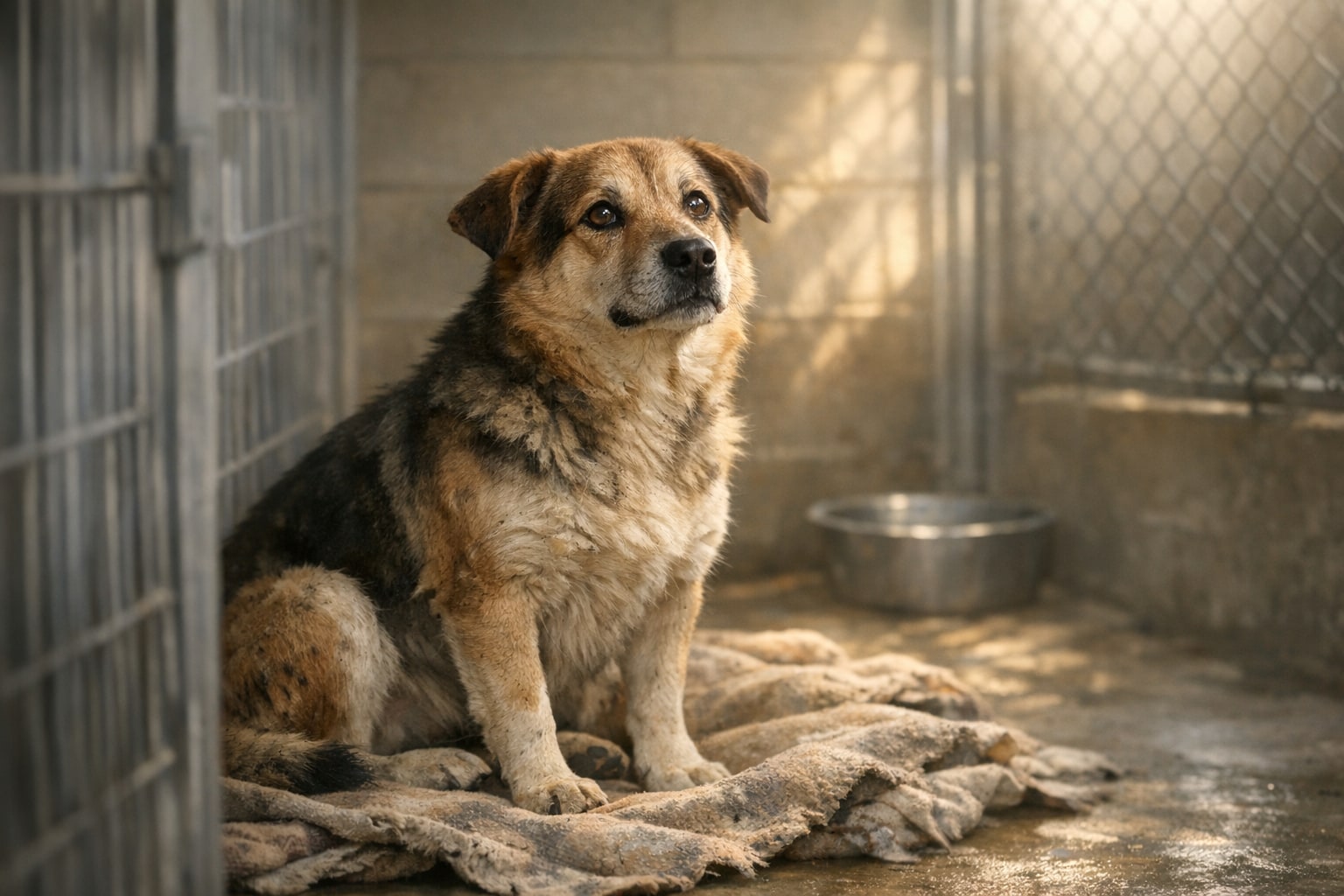
There is a kind of dog I have seen more times than I can count, standing quiet at the back of a kennel run while the flashy pups get all the attention. He is too plain, too old, too big, too timid, too scarred, or maybe just too misunderstood. Folks pass by and call him difficult, broken, or not worth the trouble. Around here, I call him something else. I call him the dog that nobody wanted, and if you have spent enough years around dogs, especially the ones life has handled rough, you know that kind can surprise you in ways fancy pedigrees never will.
I have spent plenty of time working dogs in the field and around the home, and I have learned one hard truth. A dog does not become unwanted because he lacks value. More often, he becomes unwanted because somebody failed to see what was in front of them. That matters a great deal for families looking for a companion dog, for handlers searching for a therapy dog prospect, and for people trying to understand whether a rescue could one day become a reliable service dog. The truth is not every overlooked dog is suited for every job, but many of them have far more heart, grit, and steadiness than people expect.
The Look in an Unwanted Dog’s Eyes
You can tell a lot from a dog’s eyes if you have patience enough to look. I have seen fear there, sure enough, but I have also seen caution, intelligence, and the kind of watchfulness that comes from surviving disappointment. The dog that nobody wanted often learns early not to waste hope on strangers. He hangs back. He studies you. He waits to see whether your hand brings comfort or correction. That hesitation gets mistaken for stubbornness all the time.
In the hunting world, a green dog that hangs back is not always useless. Sometimes he is just taking stock of the wind, the sound, and the shape of things. Rescue dogs can be much the same. They are readers of people. They notice tone before words and tension before touch. That sensitivity, when handled right, can become the very trait that makes them exceptional companion animals and, in select cases, excellent therapy dogs.
Why Some Good Dogs Get Passed Over
There are practical reasons dogs get ignored, and then there are foolish ones. Age is a big one. People chase puppies because they think they are getting a clean slate. What they often get is sleepless nights, chewed baseboards, and months of uncertainty. Meanwhile, an adult dog with a settled temperament sits unnoticed because he already has a few miles on him. Coat color can work against a dog. Size can too. A shy dog gets labeled as weak. A high-energy dog gets called wild. A dog with scars gets judged before he ever takes a step.
Some have been surrendered because their former owners did not understand behavior. Separation anxiety, leash reactivity, fear of loud noises, or poor house manners can all be improved with structure and time. Others were simply victims of bad timing. A move, a divorce, a medical issue, or financial strain can put a fine dog in a shelter. None of that tells you the whole story of what that dog can become in the right hands.
Temperament Matters More Than Appearances
If you are considering a dog for companionship, therapy work, or service training, the first thing to look at is not beauty. It is temperament. A steady nerve, willingness to engage, ability to recover after stress, and interest in people matter far more than perfect markings or a fashionable breed label. The dog that nobody wanted may not turn heads from across the parking lot, but he may be the one who leans gently into your leg when you are hurting or settles quietly beside a hospital bed without a fuss.
Can an Overlooked Dog Become a Therapy Dog?
Yes, sometimes, and I have seen it happen. Therapy dog work demands a stable dog that can handle strange environments, new people, medical equipment, odd sounds, and plenty of touching without coming undone. Not every rescue is built for that, and honesty matters here. A dog with deep fear, sharp reactivity, or serious unpredictability should not be pushed into public-facing work just because the idea sounds noble.
But there are many overlooked dogs with calm dispositions and a hunger to bond. Those dogs can shine in therapy settings once they feel safe and learn what is expected. In some ways, a dog that has known hardship can become especially attuned to human emotion. That does not make him magical, and it does not erase the need for training, but it can give him a softness that people feel right away. Patients in hospitals, seniors in care homes, and children in reading programs often respond to that kind of quiet presence.
The Difference Between Therapy, Service, and Companion Dogs
Too many people use these terms like they mean the same thing, but they do not. A companion dog is there for daily life, comfort, and connection. A therapy dog visits others to provide emotional support in approved settings. A service dog is individually trained to perform tasks for a person with a disability and must meet a much higher standard of public behavior. The dog nobody wanted might be wonderful as a companion and still not have the temperament for therapy work. He might be sweet enough for therapy and still not be suited for service training. Matching the dog to the role is part of being fair to the animal.
The Hunter’s Rule: Never Judge a Dog Too Early
Any hunter with a little age on him has watched a young or uncertain dog come into his own later than expected. Some dogs start bold and flame out. Others begin cautious and turn into the steadiest workers in camp. People are no different, and dogs are no different either. The rescue that trembles in a shelter may move into a quiet home and reveal a mind like a steel trap and a loyalty deeper than a river bend.
I have seen dogs written off as useless become the kind that never leave your side. Once they understand they are safe, they watch for your cues, learn your habits, and build trust in a way that feels earned. There is something mighty powerful about earning a dog’s trust when the world has given him reason to doubt. That bond is one reason rescued companion dogs often become such deeply devoted family members.
What to Look for Before Bringing One Home
If you are serious about adopting the dog that nobody wanted, leave room in your heart but keep your eyes open. Watch how the dog responds to handling. Notice whether he can recover after a startle. See whether he checks in with people on his own. Ask about bite history, medical needs, energy level, and known triggers. A good rescue or shelter will not hide the truth from you. If they do, move on.
For a companion dog, you want compatibility with your home and routine. For a therapy prospect, look for sociability without frantic excitement. For a possible service dog candidate, the bar is higher still. You need confidence, trainability, resilience, and excellent emotional control. Rescue dogs can meet those standards, but they must be evaluated carefully and trained with consistency.
Patience Is Not OptionalThe first days matter, but they are not the full story. A dog settling into a new home may seem shut down, overly clingy, noisy, or confused. Give him structure. Feed him on a schedule. Keep rules clear. Use calm repetition instead of force. A crate, a quiet place to rest, and predictable routines can help more than people realize. Trust is not built in one grand gesture. It is built in a hundred small moments where the dog learns that your word means something and your hands are safe.
From Rejection to Purpose
There is a special kind of satisfaction in seeing an unwanted dog discover purpose. Maybe that purpose is simple. Maybe he becomes the companion who gets an older man out of his chair every morning for a walk. Maybe he lies beside a veteran during the hard hours and makes the night less lonely. Maybe, with careful screening and training, he grows into a therapy dog who brings calm into rooms that badly need it. In rarer cases, maybe he has the steadiness and task focus to advance in service work. Whatever the outcome, purpose changes a dog. So does belonging.
And let me say this plain: saving a dog is not about proving your goodness. It is about responsibility. The dog that nobody wanted does not need a savior with grand ideas. He needs a steady hand, honest expectations, and someone willing to meet him where he is. When that happens, old labels start to fall away. Problem dog becomes house dog. House dog becomes best friend. Best friend becomes the one you cannot imagine life without.
The Dog Nobody Wanted Might Be the Dog You Need
Folks often go searching for the perfect dog like they are shopping for polished gear off a store shelf. Life with dogs does not work that way. The right dog is not always the easiest one to spot. Sometimes he is the one in the corner kennel with a rough history and a quiet face, waiting for somebody with enough sense to look past first impressions.
If you are exploring the world of companion dogs, therapy dogs, or service dogs, do not overlook the dogs who have been overlooked by everyone else. Evaluate them honestly. Train them kindly. Give them time. Some will not fit your needs, and that is fine. But some will rise to meet your life with a kind of loyalty that cannot be bred into papers or bought at a premium price.
In my experience, the dog that nobody wanted often understands gratitude in a way that is hard to explain until you have lived it. He watches you with those old careful eyes, and one day the caution eases. What you see then is trust. Real trust. And once a dog like that gives you his heart, you had best take good care of it, because there is nothing cheap or common about a bond that had to be built from the ground up.
I have spent plenty of time working dogs in the field and around the home, and I have learned one hard truth. A dog does not become unwanted because he lacks value. More often, he becomes unwanted because somebody failed to see what was in front of them. That matters a great deal for families looking for a companion dog, for handlers searching for a therapy dog prospect, and for people trying to understand whether a rescue could one day become a reliable service dog. The truth is not every overlooked dog is suited for every job, but many of them have far more heart, grit, and steadiness than people expect.
The Look in an Unwanted Dog’s Eyes
You can tell a lot from a dog’s eyes if you have patience enough to look. I have seen fear there, sure enough, but I have also seen caution, intelligence, and the kind of watchfulness that comes from surviving disappointment. The dog that nobody wanted often learns early not to waste hope on strangers. He hangs back. He studies you. He waits to see whether your hand brings comfort or correction. That hesitation gets mistaken for stubbornness all the time.
In the hunting world, a green dog that hangs back is not always useless. Sometimes he is just taking stock of the wind, the sound, and the shape of things. Rescue dogs can be much the same. They are readers of people. They notice tone before words and tension before touch. That sensitivity, when handled right, can become the very trait that makes them exceptional companion animals and, in select cases, excellent therapy dogs.
Why Some Good Dogs Get Passed Over
There are practical reasons dogs get ignored, and then there are foolish ones. Age is a big one. People chase puppies because they think they are getting a clean slate. What they often get is sleepless nights, chewed baseboards, and months of uncertainty. Meanwhile, an adult dog with a settled temperament sits unnoticed because he already has a few miles on him. Coat color can work against a dog. Size can too. A shy dog gets labeled as weak. A high-energy dog gets called wild. A dog with scars gets judged before he ever takes a step.
Some have been surrendered because their former owners did not understand behavior. Separation anxiety, leash reactivity, fear of loud noises, or poor house manners can all be improved with structure and time. Others were simply victims of bad timing. A move, a divorce, a medical issue, or financial strain can put a fine dog in a shelter. None of that tells you the whole story of what that dog can become in the right hands.
Temperament Matters More Than Appearances
If you are considering a dog for companionship, therapy work, or service training, the first thing to look at is not beauty. It is temperament. A steady nerve, willingness to engage, ability to recover after stress, and interest in people matter far more than perfect markings or a fashionable breed label. The dog that nobody wanted may not turn heads from across the parking lot, but he may be the one who leans gently into your leg when you are hurting or settles quietly beside a hospital bed without a fuss.
Can an Overlooked Dog Become a Therapy Dog?
Yes, sometimes, and I have seen it happen. Therapy dog work demands a stable dog that can handle strange environments, new people, medical equipment, odd sounds, and plenty of touching without coming undone. Not every rescue is built for that, and honesty matters here. A dog with deep fear, sharp reactivity, or serious unpredictability should not be pushed into public-facing work just because the idea sounds noble.
But there are many overlooked dogs with calm dispositions and a hunger to bond. Those dogs can shine in therapy settings once they feel safe and learn what is expected. In some ways, a dog that has known hardship can become especially attuned to human emotion. That does not make him magical, and it does not erase the need for training, but it can give him a softness that people feel right away. Patients in hospitals, seniors in care homes, and children in reading programs often respond to that kind of quiet presence.
The Difference Between Therapy, Service, and Companion Dogs
Too many people use these terms like they mean the same thing, but they do not. A companion dog is there for daily life, comfort, and connection. A therapy dog visits others to provide emotional support in approved settings. A service dog is individually trained to perform tasks for a person with a disability and must meet a much higher standard of public behavior. The dog nobody wanted might be wonderful as a companion and still not have the temperament for therapy work. He might be sweet enough for therapy and still not be suited for service training. Matching the dog to the role is part of being fair to the animal.
The Hunter’s Rule: Never Judge a Dog Too Early
Any hunter with a little age on him has watched a young or uncertain dog come into his own later than expected. Some dogs start bold and flame out. Others begin cautious and turn into the steadiest workers in camp. People are no different, and dogs are no different either. The rescue that trembles in a shelter may move into a quiet home and reveal a mind like a steel trap and a loyalty deeper than a river bend.
I have seen dogs written off as useless become the kind that never leave your side. Once they understand they are safe, they watch for your cues, learn your habits, and build trust in a way that feels earned. There is something mighty powerful about earning a dog’s trust when the world has given him reason to doubt. That bond is one reason rescued companion dogs often become such deeply devoted family members.
What to Look for Before Bringing One Home
If you are serious about adopting the dog that nobody wanted, leave room in your heart but keep your eyes open. Watch how the dog responds to handling. Notice whether he can recover after a startle. See whether he checks in with people on his own. Ask about bite history, medical needs, energy level, and known triggers. A good rescue or shelter will not hide the truth from you. If they do, move on.
For a companion dog, you want compatibility with your home and routine. For a therapy prospect, look for sociability without frantic excitement. For a possible service dog candidate, the bar is higher still. You need confidence, trainability, resilience, and excellent emotional control. Rescue dogs can meet those standards, but they must be evaluated carefully and trained with consistency.
Patience Is Not OptionalThe first days matter, but they are not the full story. A dog settling into a new home may seem shut down, overly clingy, noisy, or confused. Give him structure. Feed him on a schedule. Keep rules clear. Use calm repetition instead of force. A crate, a quiet place to rest, and predictable routines can help more than people realize. Trust is not built in one grand gesture. It is built in a hundred small moments where the dog learns that your word means something and your hands are safe.
From Rejection to Purpose
There is a special kind of satisfaction in seeing an unwanted dog discover purpose. Maybe that purpose is simple. Maybe he becomes the companion who gets an older man out of his chair every morning for a walk. Maybe he lies beside a veteran during the hard hours and makes the night less lonely. Maybe, with careful screening and training, he grows into a therapy dog who brings calm into rooms that badly need it. In rarer cases, maybe he has the steadiness and task focus to advance in service work. Whatever the outcome, purpose changes a dog. So does belonging.
And let me say this plain: saving a dog is not about proving your goodness. It is about responsibility. The dog that nobody wanted does not need a savior with grand ideas. He needs a steady hand, honest expectations, and someone willing to meet him where he is. When that happens, old labels start to fall away. Problem dog becomes house dog. House dog becomes best friend. Best friend becomes the one you cannot imagine life without.
The Dog Nobody Wanted Might Be the Dog You Need
Folks often go searching for the perfect dog like they are shopping for polished gear off a store shelf. Life with dogs does not work that way. The right dog is not always the easiest one to spot. Sometimes he is the one in the corner kennel with a rough history and a quiet face, waiting for somebody with enough sense to look past first impressions.
If you are exploring the world of companion dogs, therapy dogs, or service dogs, do not overlook the dogs who have been overlooked by everyone else. Evaluate them honestly. Train them kindly. Give them time. Some will not fit your needs, and that is fine. But some will rise to meet your life with a kind of loyalty that cannot be bred into papers or bought at a premium price.
In my experience, the dog that nobody wanted often understands gratitude in a way that is hard to explain until you have lived it. He watches you with those old careful eyes, and one day the caution eases. What you see then is trust. Real trust. And once a dog like that gives you his heart, you had best take good care of it, because there is nothing cheap or common about a bond that had to be built from the ground up.


View all 0 comments