
How to Say Goodbye to a Foster Dog
Jeff Davis | https://rescuedogcentral.com
 0
0 0
0 0
0 0
0 0
0
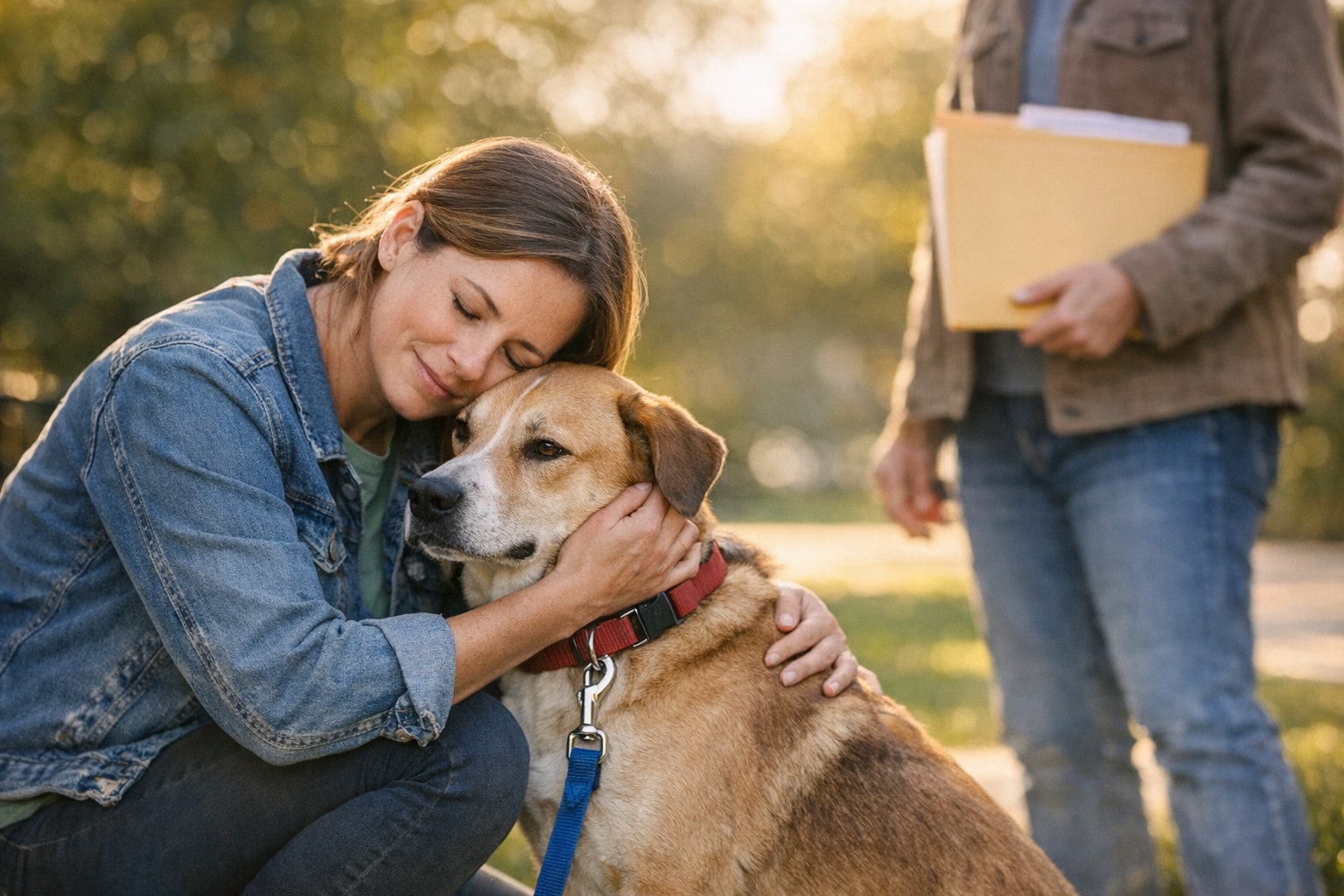
There is a particular kind of silence that settles in after a foster dog leaves your home. If you have ever raised a dog, worked one in the field, or spent weeks earning the trust of a nervous rescue, you know the feeling. The food bowl is still in the corner. The leash hook looks too tidy. The house, all at once, feels bigger than it did the day before. Learning how to say goodbye to a foster dog is not just about managing sadness. It is about honoring the work, the bond, and the reason you opened your door in the first place.
Folks often think fostering is only about temporary housing, but anyone who has done it knows better. You are not simply keeping a dog safe while waiting for paperwork. You are shaping habits, building confidence, studying temperament, and helping that dog become ready for the life ahead. Whether the dog is destined to be a beloved companion, a calm therapy dog, or a candidate with the steady nerves needed for future service work, your role matters. Saying goodbye is part of that calling, and like any hard but worthwhile thing, it deserves care.
Why Saying Goodbye to a Foster Dog Hurts So Much
A foster dog comes into your life when it is uncertain, raw, and often a little scared. You are there for the first deep breath, the first full meal, the first tail wag that is not hesitant. That kind of trust is earned inch by inch. It reminds me of settling a young dog in a duck blind or bringing a gun-shy hound around with patience instead of pressure. You do not force progress. You let it grow. Somewhere along the way, the dog starts looking for you with soft eyes, and that is when the roots begin to sink in.
So yes, it hurts when the time comes. The ache is not a sign that fostering was a mistake. It is proof that you gave the dog what it needed. Attachment is the whole point. A dog cannot learn stability from someone who stays at arm’s length. If you are grieving, that does not mean you are too soft to foster. It means you cared enough to do it right.
The Difference Between Love and Ownership
One truth helps more than most: loving a foster dog and keeping a foster dog are not the same thing. In rescue, your job is often to prepare a dog for the next chapter, not to be the final chapter yourself. That can be a hard pill to swallow. Still, when you remember that your care helped carry that dog from confusion to safety, the goodbye begins to take on meaning. You did not lose a dog. You guided one home.
How to Prepare Yourself Before Adoption Day
The best time to think about goodbye is before the adoption papers are signed. Waiting until the last minute can leave you feeling like a trailer with no hitch, all weight and no direction. Start by reminding yourself why you foster. Maybe you believe every dog deserves a stable launch into family life. Maybe you have experience with companion dogs and know how much environment shapes behavior. Maybe you want to help dogs develop the social confidence needed for therapy or service pathways. Hold on to that reason. It steadies the heart.
It also helps to keep realistic expectations. Not every adopter will parent a dog exactly the way you would. That does not automatically make them wrong. A family may have a different daily routine, a different house layout, or a different training style, and the dog may still thrive there. Focus on whether the home is safe, loving, informed, and committed. Foster dogs do not need a perfect future. They need a solid one.
Make a Transition Plan
One of the kindest things you can do for yourself and for the dog is create a clear handoff plan. Write down feeding schedules, favorite treats, potty habits, training cues, energy level, sleep routine, and any worries you have noticed. If the dog startles at loud trucks, hesitates around men in hats, or settles best with a blanket in the crate, say so. Details matter. A smooth transition can spare the dog stress and can ease your own mind because you know you passed along the map, not just the leash.
Send the dog off with familiar items if allowed. A toy carrying the scent of your home, a blanket used in the crate, or a small bag of current food can soften the edges of change. Dogs live through their noses and habits. What seems small to us can feel like firm ground to them.
Helping the Foster Dog Through the Goodbye
Dogs read energy better than most people. If farewell day feels frantic, tense, or dramatic, many dogs will mirror that confusion. Keep your tone steady. Keep the routine normal. Feed breakfast as usual. Take a walk if time allows. Let the dog sniff, stretch, and settle. Think of it the same way you would before a long drive to unfamiliar country or a first morning hunt in a new place. Calm preparation beats emotional chaos every time.
When the adopters arrive, let the dog meet them without pressure. If the rescue allows a home visit or meet-and-greet ahead of time, even better. If not, give the dog space to approach at its own pace. Share useful information without overwhelming the new family. This is not the moment to unload every memory because your heart is heavy. Keep it practical, warm, and encouraging. The goal is to help the dog feel that the humans are on the same side.
And when it is time to hand over the leash, do it cleanly. Lingering too long can stir everybody up. A gentle goodbye, a final pat, and a calm exit often work better than a drawn-out scene. That may sound cold, but it is not. It is considerate. Dogs move forward more easily when the humans around them make the path clear.
What to Do After Your Foster Dog Leaves
The first twenty-four hours can hit like a north wind across open ground. Even if you knew the goodbye was coming, the absence can take the breath out of you. Let it. Do not try to talk yourself out of your feelings. Grief and pride often travel together in foster work. You can miss the dog deeply and still be glad that it found a home.
Some fosters find comfort in tidying the dog’s area right away. Others need to leave the bed where it is for a day or two. There is no law on this. Do what keeps you steady. If the rescue offers updates, welcome them, but do not rely on constant contact to ease the loss. The dog’s bond needs room to grow with the new family. That is healthy, even if it stings.
Handle Foster Guilt the Right Way
Many foster families wrestle with second-guessing after adoption. You may wonder if the dog was truly ready, if the new home will understand its quirks, or if you should have kept it yourself. Those thoughts are common, especially when you have poured a great deal into rehabilitation and training. But guilt is not always wisdom. Sometimes it is just love with nowhere to go. Bring your mind back to what you know. If the dog was placed responsibly, if the home was screened, and if the dog was progressing, then trust the process you agreed to.
In my experience, some of the best dogs I ever handled were not the ones I kept close forever. They were the ones I helped along, watched mature, and then saw go on to serve somebody else well. A steady companion in a quiet home. A therapy dog easing nerves in a clinic. A service prospect finding structure and purpose. The satisfaction is different than ownership, but it runs deep.
How Foster Goodbyes Matter for Companion, Therapy, and Service Dogs
For readers interested in therapy dogs, service dogs, or dependable companion dogs, fostering offers a rare education in canine character. You learn how dogs adapt, how they communicate stress, and how environment shapes confidence. Saying goodbye is part of that education. It teaches restraint, perspective, and respect for the dog’s long-term needs rather than your short-term comfort.
A good companion dog often needs consistency, affection, and a home that understands its personality. A therapy dog needs a calm center, sociability, and resilience in changing settings. A service dog candidate may need still more: focus, recoverability, trainability, and a remarkable level of stability. Foster homes are often the first place these qualities are noticed, nurtured, or ruled out. That means your goodbye is not a footnote. It is part of responsible placement.
When you foster with clear eyes, you stop asking only, “Will I miss this dog?” and start asking, “Where can this dog do the most good and live the fullest life?” That shift changes everything.
When Goodbye Means You Were Successful
There is an old feeling I know from the field. You work a young dog through rough cover, weather the mistakes, sharpen the basics, and one day the animal moves with confidence and sense. At that point, your pride is not in keeping it under your hand every second. Your pride is in seeing what the dog has become. Foster work carries the same truth. If a dog leaves your home stronger, softer, steadier, and more ready to trust, then your work counted.
Saying goodbye to a foster dog is never easy, and I do not believe it should be. Easy goodbyes would suggest shallow work. The right kind of foster care gets into your routine and under your skin. Still, there is purpose in that pain. Every good foster goodbye creates room for another dog who needs a safe place to land. That is how rescue keeps moving. One dog rests, another arrives, and the work begins again.
If you are facing that empty-house feeling now, know this: the loss you feel is braided together with something honorable. You stood in the gap for a dog that needed help. You taught it that doors open, hands can be kind, routines can be trusted, and home is real. Then, when the time came, you let that dog walk toward its future. That is not failure. That is the heart of fostering.
Folks often think fostering is only about temporary housing, but anyone who has done it knows better. You are not simply keeping a dog safe while waiting for paperwork. You are shaping habits, building confidence, studying temperament, and helping that dog become ready for the life ahead. Whether the dog is destined to be a beloved companion, a calm therapy dog, or a candidate with the steady nerves needed for future service work, your role matters. Saying goodbye is part of that calling, and like any hard but worthwhile thing, it deserves care.
Why Saying Goodbye to a Foster Dog Hurts So Much
A foster dog comes into your life when it is uncertain, raw, and often a little scared. You are there for the first deep breath, the first full meal, the first tail wag that is not hesitant. That kind of trust is earned inch by inch. It reminds me of settling a young dog in a duck blind or bringing a gun-shy hound around with patience instead of pressure. You do not force progress. You let it grow. Somewhere along the way, the dog starts looking for you with soft eyes, and that is when the roots begin to sink in.
So yes, it hurts when the time comes. The ache is not a sign that fostering was a mistake. It is proof that you gave the dog what it needed. Attachment is the whole point. A dog cannot learn stability from someone who stays at arm’s length. If you are grieving, that does not mean you are too soft to foster. It means you cared enough to do it right.
The Difference Between Love and Ownership
One truth helps more than most: loving a foster dog and keeping a foster dog are not the same thing. In rescue, your job is often to prepare a dog for the next chapter, not to be the final chapter yourself. That can be a hard pill to swallow. Still, when you remember that your care helped carry that dog from confusion to safety, the goodbye begins to take on meaning. You did not lose a dog. You guided one home.
How to Prepare Yourself Before Adoption Day
The best time to think about goodbye is before the adoption papers are signed. Waiting until the last minute can leave you feeling like a trailer with no hitch, all weight and no direction. Start by reminding yourself why you foster. Maybe you believe every dog deserves a stable launch into family life. Maybe you have experience with companion dogs and know how much environment shapes behavior. Maybe you want to help dogs develop the social confidence needed for therapy or service pathways. Hold on to that reason. It steadies the heart.
It also helps to keep realistic expectations. Not every adopter will parent a dog exactly the way you would. That does not automatically make them wrong. A family may have a different daily routine, a different house layout, or a different training style, and the dog may still thrive there. Focus on whether the home is safe, loving, informed, and committed. Foster dogs do not need a perfect future. They need a solid one.
Make a Transition Plan
One of the kindest things you can do for yourself and for the dog is create a clear handoff plan. Write down feeding schedules, favorite treats, potty habits, training cues, energy level, sleep routine, and any worries you have noticed. If the dog startles at loud trucks, hesitates around men in hats, or settles best with a blanket in the crate, say so. Details matter. A smooth transition can spare the dog stress and can ease your own mind because you know you passed along the map, not just the leash.
Send the dog off with familiar items if allowed. A toy carrying the scent of your home, a blanket used in the crate, or a small bag of current food can soften the edges of change. Dogs live through their noses and habits. What seems small to us can feel like firm ground to them.
Helping the Foster Dog Through the Goodbye
Dogs read energy better than most people. If farewell day feels frantic, tense, or dramatic, many dogs will mirror that confusion. Keep your tone steady. Keep the routine normal. Feed breakfast as usual. Take a walk if time allows. Let the dog sniff, stretch, and settle. Think of it the same way you would before a long drive to unfamiliar country or a first morning hunt in a new place. Calm preparation beats emotional chaos every time.
When the adopters arrive, let the dog meet them without pressure. If the rescue allows a home visit or meet-and-greet ahead of time, even better. If not, give the dog space to approach at its own pace. Share useful information without overwhelming the new family. This is not the moment to unload every memory because your heart is heavy. Keep it practical, warm, and encouraging. The goal is to help the dog feel that the humans are on the same side.
And when it is time to hand over the leash, do it cleanly. Lingering too long can stir everybody up. A gentle goodbye, a final pat, and a calm exit often work better than a drawn-out scene. That may sound cold, but it is not. It is considerate. Dogs move forward more easily when the humans around them make the path clear.
What to Do After Your Foster Dog Leaves
The first twenty-four hours can hit like a north wind across open ground. Even if you knew the goodbye was coming, the absence can take the breath out of you. Let it. Do not try to talk yourself out of your feelings. Grief and pride often travel together in foster work. You can miss the dog deeply and still be glad that it found a home.
Some fosters find comfort in tidying the dog’s area right away. Others need to leave the bed where it is for a day or two. There is no law on this. Do what keeps you steady. If the rescue offers updates, welcome them, but do not rely on constant contact to ease the loss. The dog’s bond needs room to grow with the new family. That is healthy, even if it stings.
Handle Foster Guilt the Right Way
Many foster families wrestle with second-guessing after adoption. You may wonder if the dog was truly ready, if the new home will understand its quirks, or if you should have kept it yourself. Those thoughts are common, especially when you have poured a great deal into rehabilitation and training. But guilt is not always wisdom. Sometimes it is just love with nowhere to go. Bring your mind back to what you know. If the dog was placed responsibly, if the home was screened, and if the dog was progressing, then trust the process you agreed to.
In my experience, some of the best dogs I ever handled were not the ones I kept close forever. They were the ones I helped along, watched mature, and then saw go on to serve somebody else well. A steady companion in a quiet home. A therapy dog easing nerves in a clinic. A service prospect finding structure and purpose. The satisfaction is different than ownership, but it runs deep.
How Foster Goodbyes Matter for Companion, Therapy, and Service Dogs
For readers interested in therapy dogs, service dogs, or dependable companion dogs, fostering offers a rare education in canine character. You learn how dogs adapt, how they communicate stress, and how environment shapes confidence. Saying goodbye is part of that education. It teaches restraint, perspective, and respect for the dog’s long-term needs rather than your short-term comfort.
A good companion dog often needs consistency, affection, and a home that understands its personality. A therapy dog needs a calm center, sociability, and resilience in changing settings. A service dog candidate may need still more: focus, recoverability, trainability, and a remarkable level of stability. Foster homes are often the first place these qualities are noticed, nurtured, or ruled out. That means your goodbye is not a footnote. It is part of responsible placement.
When you foster with clear eyes, you stop asking only, “Will I miss this dog?” and start asking, “Where can this dog do the most good and live the fullest life?” That shift changes everything.
When Goodbye Means You Were Successful
There is an old feeling I know from the field. You work a young dog through rough cover, weather the mistakes, sharpen the basics, and one day the animal moves with confidence and sense. At that point, your pride is not in keeping it under your hand every second. Your pride is in seeing what the dog has become. Foster work carries the same truth. If a dog leaves your home stronger, softer, steadier, and more ready to trust, then your work counted.
Saying goodbye to a foster dog is never easy, and I do not believe it should be. Easy goodbyes would suggest shallow work. The right kind of foster care gets into your routine and under your skin. Still, there is purpose in that pain. Every good foster goodbye creates room for another dog who needs a safe place to land. That is how rescue keeps moving. One dog rests, another arrives, and the work begins again.
If you are facing that empty-house feeling now, know this: the loss you feel is braided together with something honorable. You stood in the gap for a dog that needed help. You taught it that doors open, hands can be kind, routines can be trusted, and home is real. Then, when the time came, you let that dog walk toward its future. That is not failure. That is the heart of fostering.



View all 0 comments