
How Rescue Organizations Evaluate Dogs
Jeff Davis | https://rescuedogcentral.com
 0
0 0
0 0
0 0
0 0
0
Folks on the outside sometimes imagine a rescue takes in a dog, gives it a bath, snaps a photo, and waits for an adopter to fall in love. Truth is, a good rescue organization works more like a careful tracker in the field. You do not judge an animal by one moment, one look, or one nervous reaction. You watch how it moves, how it settles, what stirs it up, and what brings it back down. That kind of patient observation tells the real story.
When rescue organizations evaluate dogs, they are not simply deciding whether a dog is good or bad. They are trying to understand the whole dog in front of them. That includes temperament, health, stress level, social skills, prey drive, handling tolerance, trainability, and what sort of home will let that dog thrive. For people searching for a companion dog, a therapy dog candidate, or even a service dog prospect, this process matters more than most realize. It can mean the difference between a strong match and a hard lesson.
The First Look: Intake and Initial Assessment
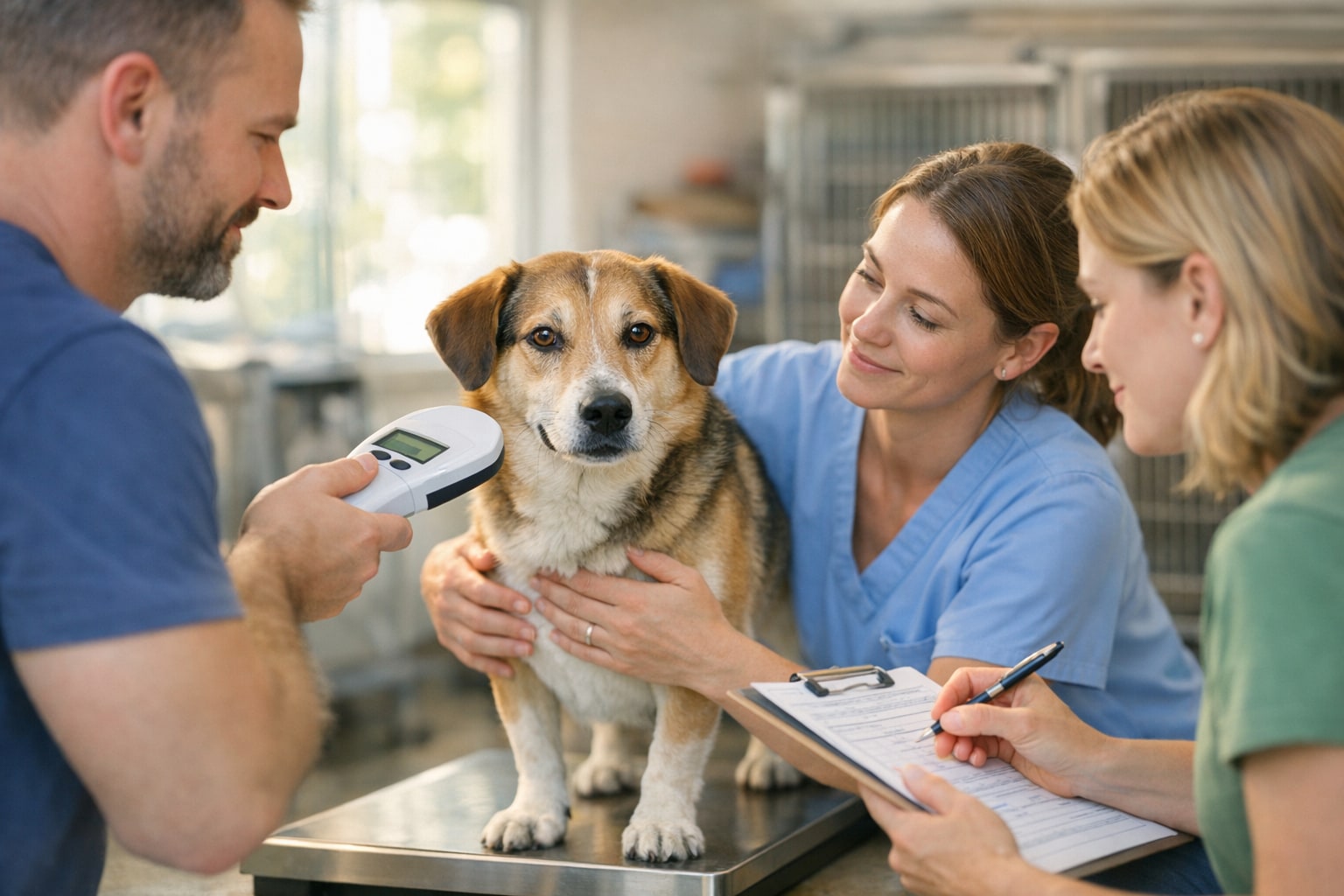
When a dog first arrives, whether from a shelter, owner surrender, stray hold, or neglect case, evaluators usually begin with intake. This first stage is not a final judgment. A dog coming into rescue may be frightened, shut down, overstimulated, exhausted, or plain confused. I have seen dogs step off transport with their tail tucked so tight you would swear they feared the wind itself, only to become steady, affectionate, dependable animals once they felt safe.
At intake, rescue staff and foster teams gather whatever background they can. They look at age, breed mix, medical history, spay or neuter status, prior training, bite history if any, and notes on how the dog was found or surrendered. Sometimes the information is rich and useful. Sometimes it is no more than a guess and a shrug. Experienced rescuers know not to build the whole case on hearsay.
The dog is then observed for immediate concerns. They check posture, gait, body condition, coat quality, appetite, hydration, breathing, and signs of pain or illness. At the same time, they notice how the dog responds to touch, to new surroundings, and to unfamiliar people. A dog that freezes at a hand on the collar may be fearful, hurt, undersocialized, or simply overwhelmed. Context is everything.
Why the First Day Can Be Misleading
One of the biggest mistakes a novice adopter can make is treating the intake behavior as the dog’s permanent personality. Rescue organizations that know their business understand decompression. Many dogs need days or even weeks before their real traits show up. A quiet dog may become playful. A frantic dog may settle. A friendly dog may reveal anxiety around handling once the adrenaline wears off. Sound evaluation always leaves room for the dog to unfold naturally.
Health Screening Comes Before Big Decisions
No rescue evaluation is complete without a solid look at health. A dog in pain does not behave like a dog at ease. Ear infections can make touch feel threatening. Dental pain can turn a gentle dog head-shy. A thyroid problem can affect energy and behavior. Parasites, malnutrition, orthopedic trouble, skin disease, and untreated injuries all shape how a dog presents.
Most reputable rescues arrange veterinary screening early. They may run bloodwork, test for heartworm and tick-borne illness, examine mobility, update vaccines, and evaluate reproductive status. If the dog is older, they may pay close attention to arthritis, vision, hearing, and underlying disease. If the dog is a possible therapy or service dog candidate, soundness matters even more because those roles require consistency, resilience, and the ability to work comfortably in public settings.
Health screening also helps rescue groups speak honestly to adopters. A dog might make an excellent quiet companion but be a poor match for an active family if joint issues are present. Another may have the temperament for therapy work but need medical treatment and months of recovery before training can begin.
Temperament Testing: Useful, but Never the Whole Story
Temperament evaluation is the part people talk about most, and often the part they misunderstand. There is no magic test that reveals a dog’s soul in ten minutes. Good rescue organizations use structured assessments, but they combine them with repeated observation over time. They look for patterns, not single incidents.
During temperament testing, evaluators may observe how a dog responds to strangers, gentle restraint, touch on paws and ears, movement, toys, food, sudden noise, and other dogs at a safe distance. They may assess startle recovery, curiosity, confidence, frustration tolerance, and ability to redirect attention. The key is not whether a dog reacts. Most living creatures react. The key is how intense the reaction is, how long it lasts, and whether the dog can recover and re-engage.
A dog suitable for a companion home does not need to be perfect. It needs to be manageable, reasonably stable, and matched to the right environment. A dog considered for therapy work generally needs a deeper well of calm sociability, comfort around varied people, and a soft, steady ability to handle novel environments. A service dog prospect faces an even steeper standard. That dog must show exceptional neutrality, trainability, resilience, and composure under pressure. Rescue groups with integrity know that not every sweet dog is cut out for public access work.
What Evaluators Notice Beyond the Obvious
Some of the most important details are subtle. Does the dog check in with the handler on its own? Does it escalate quickly when aroused, or can it settle with guidance? Is it environmentally focused, handler focused, or scattered between the two? Does the dog show soft body language around unfamiliar people, or stiffen before contact? These are the kinds of clues seasoned rescuers pick up the same way a hunter reads bent grass or a broken twig line in the brush. The signs are there if you know how to look.
Behavior in Foster Care Tells the Truest Story
For many dogs, foster care is where the real evaluation happens. A shelter kennel can muddy the picture. Stress echoes off concrete walls, routines are rigid, and every dog lives with noise and disruption. In a foster home, the rescue can learn how the dog acts in ordinary life. That matters because adopters do not live in kennels. They live in homes, apartments, neighborhoods, and communities.
Foster families often report on house training, crate behavior, sleep habits, leash manners, prey drive, separation issues, play style, noise sensitivity, and reactions to visitors. They see whether the dog settles after exercise, whether it guards food or toys, whether it can live with cats, and whether children’s quick movement causes worry or overexcitement. This day-to-day information is gold.
For therapy and service dog interest, foster observation becomes even more valuable. A foster might notice that a dog naturally stays close without clinging, recovers well from surprise, and remains gentle when handled by different people. On the other hand, they may find that a dog is loving but too environmentally sensitive for demanding work. That is not failure. It is clarity, and clarity protects both the dog and the adopter.
Matching Dogs to Homes, Not Selling a Dream
The best rescue organizations are not trying to move dogs out fast at any cost. They are trying to place dogs well. That means the evaluation process is tied directly to matchmaking. A high-energy young herding mix may be a poor fit for a first-time owner wanting an easy therapy dog. A mature mixed breed with steady nerves and a social nature might be ideal as a companion for an older adopter. A gentle dog that loves people but startles at carts, crowds, or loud flooring may be wonderful at home and unsuitable for service work.
This is where honest language matters. Rescue groups should be able to explain not only what a dog is like, but why they believe that dog will succeed or struggle in certain homes. They should be willing to say, “This dog is affectionate and bright, but too dog-reactive for busy public outings,” or “This one is wonderfully calm in the home, though not confident enough for therapy visits right now.” Those are the words of a rescue paying attention.
Why Labels Can Be Misleading
Terms like friendly, good with kids, or calm are not always precise enough. Friendly can mean eager and polite, or it can mean wildly social with poor boundaries. Good with kids may mean kind around respectful older children, not safe around toddlers who grab and wobble. Calm in the crate does not always mean calm in public. That is why strong rescues describe behavior in real-world terms instead of leaning on tidy labels.
How Rescue Evaluations Help Therapy, Service, and Companion Dog Seekers
If you are looking for a companion dog, rescue evaluations can help you find a dog whose needs, energy, and temperament fit your life. If you are hoping for a therapy dog candidate, you need even more than sweetness. You need steadiness, social confidence, and the ability to enjoy handling and novelty without unraveling. If you are searching for a service dog prospect, you should understand that the standard is narrow and the washout rate is real, even among purpose-bred dogs.
A reputable rescue will not guarantee that any dog will become a therapy or service dog. What they can do is identify promising traits and tell you where the dog stands today. They may say a dog has excellent human focus, low reactivity, and strong recovery from noise. They may also caution that the dog is still immature, or lacks exposure, or becomes stressed in dense public settings. That kind of honesty is worth more than a sales pitch.
As someone who has spent years watching dogs reveal themselves in honest work and ordinary life, I can tell you this: the finest evaluations are patient, humble, and grounded in evidence. Good rescuers do not force a dog into a role because it sounds noble. They watch the dog in front of them and honor what that animal can truly do.
What Adopters Should Ask a Rescue Organization
When speaking with a rescue, ask how long they have known the dog and in what settings they have observed it. Ask whether the dog has lived in foster care, how it handles strangers, what happens when it gets startled, and whether any guarding, separation distress, or reactivity has been seen. Ask what kind of handler the dog seems to need. If you are considering therapy or service work, ask specifically about public confidence, recovery, neutrality, and handling tolerance.
The right rescue will welcome those questions. They will not take offense at careful thinking. In fact, careful thinking is what keeps dogs from bouncing from home to home. A sound evaluation, paired with an honest adopter, gives a rescue dog the best chance at a lasting future.
Final Thoughts
Rescue organizations evaluate dogs to understand them, protect them, and place them wisely. The process is part observation, part experience, part patience, and part plain old truth-telling. At its best, it goes far beyond a checklist. It sees the dog as a living creature shaped by history, stress, instinct, health, and potential.
For anyone interested in a companion dog, therapy dog, or service dog, learning how rescue organizations evaluate dogs is a smart place to begin. It helps you read past the pretty picture and ask better questions. And when you ask better questions, you stand a far better chance of finding a dog that is not just available, but genuinely right for the road ahead.
When rescue organizations evaluate dogs, they are not simply deciding whether a dog is good or bad. They are trying to understand the whole dog in front of them. That includes temperament, health, stress level, social skills, prey drive, handling tolerance, trainability, and what sort of home will let that dog thrive. For people searching for a companion dog, a therapy dog candidate, or even a service dog prospect, this process matters more than most realize. It can mean the difference between a strong match and a hard lesson.
The First Look: Intake and Initial Assessment
When a dog first arrives, whether from a shelter, owner surrender, stray hold, or neglect case, evaluators usually begin with intake. This first stage is not a final judgment. A dog coming into rescue may be frightened, shut down, overstimulated, exhausted, or plain confused. I have seen dogs step off transport with their tail tucked so tight you would swear they feared the wind itself, only to become steady, affectionate, dependable animals once they felt safe.
At intake, rescue staff and foster teams gather whatever background they can. They look at age, breed mix, medical history, spay or neuter status, prior training, bite history if any, and notes on how the dog was found or surrendered. Sometimes the information is rich and useful. Sometimes it is no more than a guess and a shrug. Experienced rescuers know not to build the whole case on hearsay.
The dog is then observed for immediate concerns. They check posture, gait, body condition, coat quality, appetite, hydration, breathing, and signs of pain or illness. At the same time, they notice how the dog responds to touch, to new surroundings, and to unfamiliar people. A dog that freezes at a hand on the collar may be fearful, hurt, undersocialized, or simply overwhelmed. Context is everything.
Why the First Day Can Be Misleading
One of the biggest mistakes a novice adopter can make is treating the intake behavior as the dog’s permanent personality. Rescue organizations that know their business understand decompression. Many dogs need days or even weeks before their real traits show up. A quiet dog may become playful. A frantic dog may settle. A friendly dog may reveal anxiety around handling once the adrenaline wears off. Sound evaluation always leaves room for the dog to unfold naturally.
Health Screening Comes Before Big Decisions
No rescue evaluation is complete without a solid look at health. A dog in pain does not behave like a dog at ease. Ear infections can make touch feel threatening. Dental pain can turn a gentle dog head-shy. A thyroid problem can affect energy and behavior. Parasites, malnutrition, orthopedic trouble, skin disease, and untreated injuries all shape how a dog presents.
Most reputable rescues arrange veterinary screening early. They may run bloodwork, test for heartworm and tick-borne illness, examine mobility, update vaccines, and evaluate reproductive status. If the dog is older, they may pay close attention to arthritis, vision, hearing, and underlying disease. If the dog is a possible therapy or service dog candidate, soundness matters even more because those roles require consistency, resilience, and the ability to work comfortably in public settings.
Health screening also helps rescue groups speak honestly to adopters. A dog might make an excellent quiet companion but be a poor match for an active family if joint issues are present. Another may have the temperament for therapy work but need medical treatment and months of recovery before training can begin.
Temperament Testing: Useful, but Never the Whole Story
Temperament evaluation is the part people talk about most, and often the part they misunderstand. There is no magic test that reveals a dog’s soul in ten minutes. Good rescue organizations use structured assessments, but they combine them with repeated observation over time. They look for patterns, not single incidents.
During temperament testing, evaluators may observe how a dog responds to strangers, gentle restraint, touch on paws and ears, movement, toys, food, sudden noise, and other dogs at a safe distance. They may assess startle recovery, curiosity, confidence, frustration tolerance, and ability to redirect attention. The key is not whether a dog reacts. Most living creatures react. The key is how intense the reaction is, how long it lasts, and whether the dog can recover and re-engage.
A dog suitable for a companion home does not need to be perfect. It needs to be manageable, reasonably stable, and matched to the right environment. A dog considered for therapy work generally needs a deeper well of calm sociability, comfort around varied people, and a soft, steady ability to handle novel environments. A service dog prospect faces an even steeper standard. That dog must show exceptional neutrality, trainability, resilience, and composure under pressure. Rescue groups with integrity know that not every sweet dog is cut out for public access work.
What Evaluators Notice Beyond the Obvious
Some of the most important details are subtle. Does the dog check in with the handler on its own? Does it escalate quickly when aroused, or can it settle with guidance? Is it environmentally focused, handler focused, or scattered between the two? Does the dog show soft body language around unfamiliar people, or stiffen before contact? These are the kinds of clues seasoned rescuers pick up the same way a hunter reads bent grass or a broken twig line in the brush. The signs are there if you know how to look.
Behavior in Foster Care Tells the Truest Story
For many dogs, foster care is where the real evaluation happens. A shelter kennel can muddy the picture. Stress echoes off concrete walls, routines are rigid, and every dog lives with noise and disruption. In a foster home, the rescue can learn how the dog acts in ordinary life. That matters because adopters do not live in kennels. They live in homes, apartments, neighborhoods, and communities.
Foster families often report on house training, crate behavior, sleep habits, leash manners, prey drive, separation issues, play style, noise sensitivity, and reactions to visitors. They see whether the dog settles after exercise, whether it guards food or toys, whether it can live with cats, and whether children’s quick movement causes worry or overexcitement. This day-to-day information is gold.
For therapy and service dog interest, foster observation becomes even more valuable. A foster might notice that a dog naturally stays close without clinging, recovers well from surprise, and remains gentle when handled by different people. On the other hand, they may find that a dog is loving but too environmentally sensitive for demanding work. That is not failure. It is clarity, and clarity protects both the dog and the adopter.
Matching Dogs to Homes, Not Selling a Dream
The best rescue organizations are not trying to move dogs out fast at any cost. They are trying to place dogs well. That means the evaluation process is tied directly to matchmaking. A high-energy young herding mix may be a poor fit for a first-time owner wanting an easy therapy dog. A mature mixed breed with steady nerves and a social nature might be ideal as a companion for an older adopter. A gentle dog that loves people but startles at carts, crowds, or loud flooring may be wonderful at home and unsuitable for service work.
This is where honest language matters. Rescue groups should be able to explain not only what a dog is like, but why they believe that dog will succeed or struggle in certain homes. They should be willing to say, “This dog is affectionate and bright, but too dog-reactive for busy public outings,” or “This one is wonderfully calm in the home, though not confident enough for therapy visits right now.” Those are the words of a rescue paying attention.
Why Labels Can Be Misleading
Terms like friendly, good with kids, or calm are not always precise enough. Friendly can mean eager and polite, or it can mean wildly social with poor boundaries. Good with kids may mean kind around respectful older children, not safe around toddlers who grab and wobble. Calm in the crate does not always mean calm in public. That is why strong rescues describe behavior in real-world terms instead of leaning on tidy labels.
How Rescue Evaluations Help Therapy, Service, and Companion Dog Seekers
If you are looking for a companion dog, rescue evaluations can help you find a dog whose needs, energy, and temperament fit your life. If you are hoping for a therapy dog candidate, you need even more than sweetness. You need steadiness, social confidence, and the ability to enjoy handling and novelty without unraveling. If you are searching for a service dog prospect, you should understand that the standard is narrow and the washout rate is real, even among purpose-bred dogs.
A reputable rescue will not guarantee that any dog will become a therapy or service dog. What they can do is identify promising traits and tell you where the dog stands today. They may say a dog has excellent human focus, low reactivity, and strong recovery from noise. They may also caution that the dog is still immature, or lacks exposure, or becomes stressed in dense public settings. That kind of honesty is worth more than a sales pitch.
As someone who has spent years watching dogs reveal themselves in honest work and ordinary life, I can tell you this: the finest evaluations are patient, humble, and grounded in evidence. Good rescuers do not force a dog into a role because it sounds noble. They watch the dog in front of them and honor what that animal can truly do.
What Adopters Should Ask a Rescue Organization
When speaking with a rescue, ask how long they have known the dog and in what settings they have observed it. Ask whether the dog has lived in foster care, how it handles strangers, what happens when it gets startled, and whether any guarding, separation distress, or reactivity has been seen. Ask what kind of handler the dog seems to need. If you are considering therapy or service work, ask specifically about public confidence, recovery, neutrality, and handling tolerance.
The right rescue will welcome those questions. They will not take offense at careful thinking. In fact, careful thinking is what keeps dogs from bouncing from home to home. A sound evaluation, paired with an honest adopter, gives a rescue dog the best chance at a lasting future.
Final Thoughts
Rescue organizations evaluate dogs to understand them, protect them, and place them wisely. The process is part observation, part experience, part patience, and part plain old truth-telling. At its best, it goes far beyond a checklist. It sees the dog as a living creature shaped by history, stress, instinct, health, and potential.
For anyone interested in a companion dog, therapy dog, or service dog, learning how rescue organizations evaluate dogs is a smart place to begin. It helps you read past the pretty picture and ask better questions. And when you ask better questions, you stand a far better chance of finding a dog that is not just available, but genuinely right for the road ahead.



View all 0 comments