From Stray to Family Member
A Rescue Journey
Jeff Davis | https://rescuedogcentral.com
 0
0 0
0 0
0 0
0 0
0
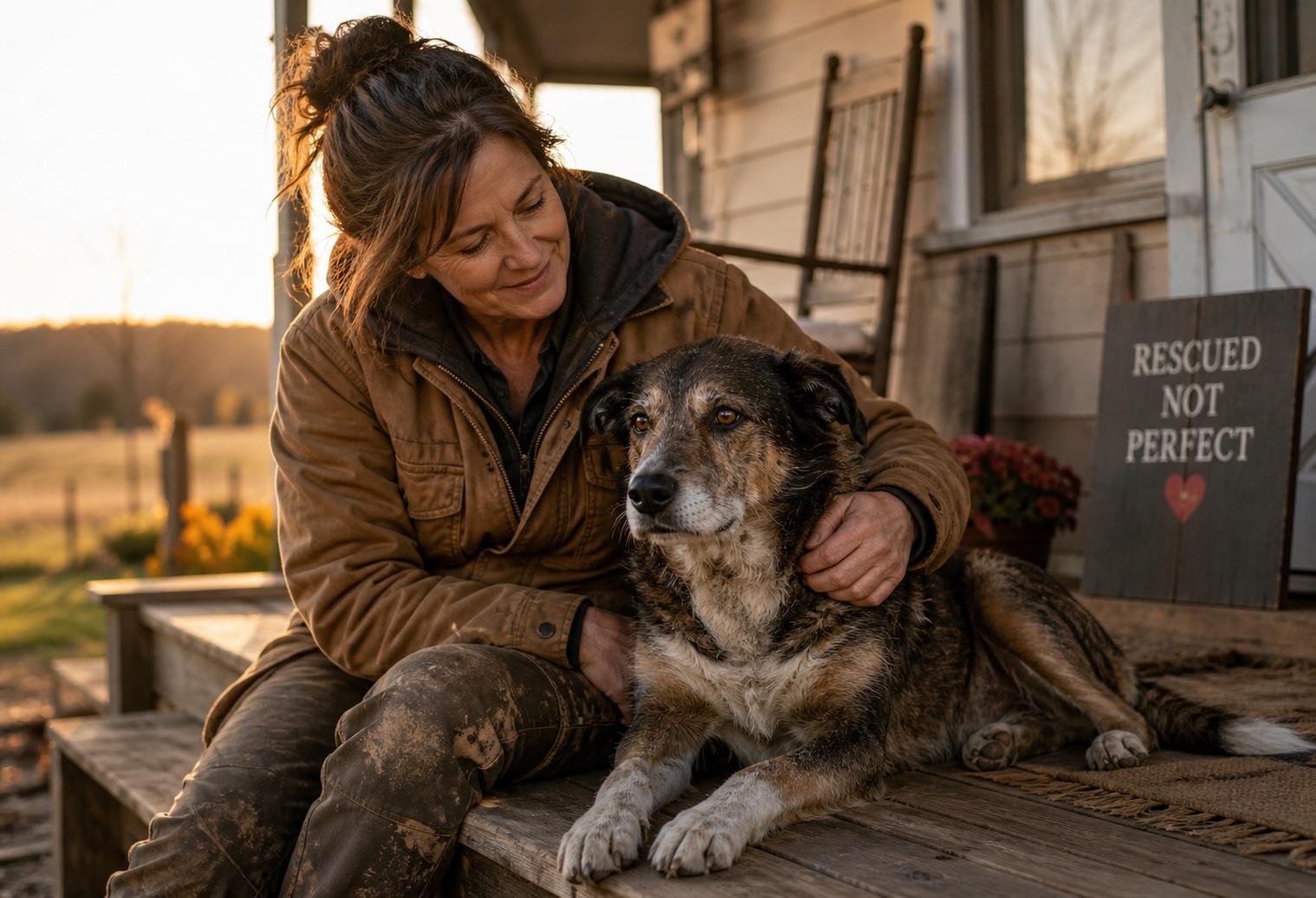
I have spent enough years around dogs, fields, back roads, shelters, and front porches to know one truth plain as daylight: a dog does not stop being worthy just because life dealt it a rough hand. Some of the finest dogs I have ever known did not come from polished breeders or tidy pedigrees. They came in muddy, thin, uncertain, and watchful, with burrs in their coat and questions in their eyes. A stray dog may look like a hard case at first glance, but many times you are looking at a heart that has simply gone too long without steady hands and a safe place to land.
For families interested in a companion dog, a therapy dog, or even a future service dog prospect, the rescue journey matters. It shapes behavior, trust, confidence, and the kind of bond that can grow between dog and person. Bringing home a stray is not just an act of kindness. It is a commitment to patience, structure, and understanding. Done right, it can lead to one of the strongest partnerships a person will ever know.
The First Encounter With a Stray Dog
There is a particular stillness in that first meeting. A stray dog may approach with caution, or it may hang back out of reach, trying to decide whether you are trouble or salvation. I have seen dogs scavenging behind stores, pacing fence lines, and circling rural roads where folks dump what they no longer want. Some wag their tails low and timid. Others posture like they have learned that survival requires a stiff neck and sharp warning. Neither reaction tells the whole story.
The first rule is simple: do not rush the dog. Hunger can make a dog brave, but fear can make it bolt or bite. Soft words, turned shoulders, and a little distance often work better than direct eye contact and hurried hands. If the dog is injured, aggressive, or deeply panicked, calling animal control, a rescue group, or an experienced handler is the wise move. Good intentions mean little if they lead to a dangerous situation.
Once the dog is secure, the next steps are less romantic and more practical. A vet exam should come early. Stray dogs may carry parasites, untreated injuries, infections, or hidden pain that shapes their behavior. They also need to be scanned for a microchip. Sometimes a stray is truly abandoned. Other times it is a lost family dog that has been trying to survive long enough to be found.
What Rescue Really Means
Folks sometimes imagine rescue as one grand moment, a happy photo, a clean bed, and a tail wag by supper. Truth is, rescue usually unfolds in stages. The first stage is safety. The second is decompression. The third is trust. Only after those three are in place can real training and family integration begin.
A newly rescued dog often needs quiet more than affection. That surprises many first-time adopters. They want to pour love all over the dog from day one. But a dog coming off the street or out of neglect does not always understand affection the way a settled house dog does. Even gentle touch can feel overwhelming. The better approach is calm routine. Feed on time. Offer fresh water. Provide a soft place to rest. Keep the home peaceful. Let the dog observe before expecting too much interaction.
In hunting camps and working homes, we learn early that routine steadies nerves. Dogs take comfort in patterns. A regular schedule teaches them what comes next, and that predictability builds confidence. For a rescue dog, confidence is the bridge between mere survival and becoming part of the family.
Reading the Dog in Front of You
Every stray carries a different history. One may have escaped a neglectful home and still crave human company. Another may have lived feral on the edges of neighborhoods and know little about couches, leashes, or doorways. A third may have belonged to someone once and lost that person through hardship, illness, or death. That means no rescue journey should be forced into a one-size-fits-all plan.
Watch the small things. Does the dog guard food? Startle at sudden movement? Follow one person but avoid another? Freeze at a raised voice? These details matter. They are clues, not flaws. They tell you where to begin. A dog that flinches at touch needs consent and patience. A dog that hoards food needs reliable meals and safe feeding space. A dog that paces may need time, exercise, and help settling its nervous system.
Building Trust at Home
When a stray first enters the house, the world can feel tight and confusing. Floors are slick. Appliances hum. Stairs loom. Windows reflect movement. Even a dog bed may be a strange luxury. I have watched rescue dogs stand beside a bed for an hour before finally curling into it, as if they were waiting for someone to say they had the right.
Trust is earned through consistency. Use the same entry door, the same feeding area, and the same calm voice. Keep introductions controlled. If you have children, teach them to let the dog come to them. If you have resident dogs, make the first meetings neutral and measured. Do not expect instant friendship. Good dog relationships are often built quietly, shoulder to shoulder, not nose to nose in a burst of excitement.
Leash walks become more than exercise during this stage. They are shared miles, and miles matter. A dog begins to learn your pace, your tone, your corrections, and your confidence. You learn where the dog startles, what captures its interest, and how quickly it can recover from stress. Those walks, taken day after day, often do more to make a family dog than any pile of toys in the living room.
Training a Rescue Dog for Family Life
Once the dog has settled enough to eat well, rest deeply, and show curiosity, training can begin in earnest. Rescue dogs do not need harsh handling. They need clear communication. Reward-based training, steady boundaries, and short sessions work far better than frustration. Sit, down, come, place, loose-leash walking, and crate comfort are not just obedience exercises. They are practical tools that make a dog feel safer in a human world.
House training may take time, even if the dog seems mature. Crate training can help, provided the crate is introduced with care and never used as punishment. Chewing, pacing, barking, and counter surfing often improve when structure and exercise increase. Boredom and anxiety can look a lot like disobedience when really the dog is just trying to cope.
Can a Rescue Dog Become a Therapy Dog or Service Dog?
This is a question many people ask, and the honest answer is yes, sometimes. A rescue dog can absolutely become an excellent companion dog, and some go on to thrive as therapy dogs. A smaller number may have the temperament, health, and task potential needed for service work. The key is evaluating the individual dog, not the rescue label.
A therapy dog must be stable, social, calm around strangers, and adaptable in new environments. A former stray with a sound temperament can do beautifully in that role, especially if it enjoys people and recovers quickly from surprises. Service dog work requires even more. The dog must be physically sound, emotionally steady, highly trainable, and capable of performing specific tasks to mitigate a disability. Past hardship does not automatically disqualify a dog, but unresolved fear, reactivity, or health issues may limit suitability.
That is why slow assessment matters. Let the dog become itself before assigning a job. Some rescued dogs are happiest as loyal house companions who hike, nap, and keep watch from the window. That is noble work in its own right.
The Healing Goes Both Ways
There is another part of rescue people do not always say out loud. The dog is not the only one being changed. A rescued stray can teach a family patience, gentleness, and attention to the little victories. The first relaxed sigh. The first tail thump against the floor. The first time the dog chooses to rest with its back turned, trusting that no harm is coming. Those moments land deep.
I have seen veterans soften with a rescue dog at their side. I have seen children learn empathy from a dog that needed a second chance. I have seen lonely people find purpose in the daily care of an animal that once had no one. For homes considering a therapy dog, service dog prospect, or steady companion, this emotional connection is not fluff. It is the foundation. Trust built through adversity often runs strong.
When the Stray Finally Becomes Family
There comes a day, if you stay the course, when the word stray no longer fits. It might happen when the dog waits by the door for you to come home. It might happen on a quiet evening when a once-wary animal lays its head on your boot and falls asleep. Or it might happen when visitors arrive and the dog looks to you first, taking your cue because now you are home, and home means safety.
That transformation is not magic. It is care repeated over time. It is vet visits, training sessions, early-morning walks, patient corrections, and choosing compassion when progress comes slow. It is understanding that some scars fade and some simply become part of the dog's map. Neither prevents a full and meaningful life.
A rescue journey does not erase the past. It redeems it. The dog that once wandered hungry and uncertain can become a trusted companion, a comforting therapy dog, or in the right case, a working service dog. More often than not, it becomes something just as valuable: family.
If you are considering adopting a stray or rescue dog, go in with open eyes and a steady heart. Do the practical work. Respect the dog's pace. Seek good training help when needed. And remember that some of the best dogs in the world did not begin in ideal circumstances. They became great because someone gave them a fair chance and the time to grow into it.
For families interested in a companion dog, a therapy dog, or even a future service dog prospect, the rescue journey matters. It shapes behavior, trust, confidence, and the kind of bond that can grow between dog and person. Bringing home a stray is not just an act of kindness. It is a commitment to patience, structure, and understanding. Done right, it can lead to one of the strongest partnerships a person will ever know.
The First Encounter With a Stray Dog
There is a particular stillness in that first meeting. A stray dog may approach with caution, or it may hang back out of reach, trying to decide whether you are trouble or salvation. I have seen dogs scavenging behind stores, pacing fence lines, and circling rural roads where folks dump what they no longer want. Some wag their tails low and timid. Others posture like they have learned that survival requires a stiff neck and sharp warning. Neither reaction tells the whole story.
The first rule is simple: do not rush the dog. Hunger can make a dog brave, but fear can make it bolt or bite. Soft words, turned shoulders, and a little distance often work better than direct eye contact and hurried hands. If the dog is injured, aggressive, or deeply panicked, calling animal control, a rescue group, or an experienced handler is the wise move. Good intentions mean little if they lead to a dangerous situation.
Once the dog is secure, the next steps are less romantic and more practical. A vet exam should come early. Stray dogs may carry parasites, untreated injuries, infections, or hidden pain that shapes their behavior. They also need to be scanned for a microchip. Sometimes a stray is truly abandoned. Other times it is a lost family dog that has been trying to survive long enough to be found.
What Rescue Really Means
Folks sometimes imagine rescue as one grand moment, a happy photo, a clean bed, and a tail wag by supper. Truth is, rescue usually unfolds in stages. The first stage is safety. The second is decompression. The third is trust. Only after those three are in place can real training and family integration begin.
A newly rescued dog often needs quiet more than affection. That surprises many first-time adopters. They want to pour love all over the dog from day one. But a dog coming off the street or out of neglect does not always understand affection the way a settled house dog does. Even gentle touch can feel overwhelming. The better approach is calm routine. Feed on time. Offer fresh water. Provide a soft place to rest. Keep the home peaceful. Let the dog observe before expecting too much interaction.
In hunting camps and working homes, we learn early that routine steadies nerves. Dogs take comfort in patterns. A regular schedule teaches them what comes next, and that predictability builds confidence. For a rescue dog, confidence is the bridge between mere survival and becoming part of the family.
Reading the Dog in Front of You
Every stray carries a different history. One may have escaped a neglectful home and still crave human company. Another may have lived feral on the edges of neighborhoods and know little about couches, leashes, or doorways. A third may have belonged to someone once and lost that person through hardship, illness, or death. That means no rescue journey should be forced into a one-size-fits-all plan.
Watch the small things. Does the dog guard food? Startle at sudden movement? Follow one person but avoid another? Freeze at a raised voice? These details matter. They are clues, not flaws. They tell you where to begin. A dog that flinches at touch needs consent and patience. A dog that hoards food needs reliable meals and safe feeding space. A dog that paces may need time, exercise, and help settling its nervous system.
Building Trust at Home
When a stray first enters the house, the world can feel tight and confusing. Floors are slick. Appliances hum. Stairs loom. Windows reflect movement. Even a dog bed may be a strange luxury. I have watched rescue dogs stand beside a bed for an hour before finally curling into it, as if they were waiting for someone to say they had the right.
Trust is earned through consistency. Use the same entry door, the same feeding area, and the same calm voice. Keep introductions controlled. If you have children, teach them to let the dog come to them. If you have resident dogs, make the first meetings neutral and measured. Do not expect instant friendship. Good dog relationships are often built quietly, shoulder to shoulder, not nose to nose in a burst of excitement.
Leash walks become more than exercise during this stage. They are shared miles, and miles matter. A dog begins to learn your pace, your tone, your corrections, and your confidence. You learn where the dog startles, what captures its interest, and how quickly it can recover from stress. Those walks, taken day after day, often do more to make a family dog than any pile of toys in the living room.
Training a Rescue Dog for Family Life
Once the dog has settled enough to eat well, rest deeply, and show curiosity, training can begin in earnest. Rescue dogs do not need harsh handling. They need clear communication. Reward-based training, steady boundaries, and short sessions work far better than frustration. Sit, down, come, place, loose-leash walking, and crate comfort are not just obedience exercises. They are practical tools that make a dog feel safer in a human world.
House training may take time, even if the dog seems mature. Crate training can help, provided the crate is introduced with care and never used as punishment. Chewing, pacing, barking, and counter surfing often improve when structure and exercise increase. Boredom and anxiety can look a lot like disobedience when really the dog is just trying to cope.
Can a Rescue Dog Become a Therapy Dog or Service Dog?
This is a question many people ask, and the honest answer is yes, sometimes. A rescue dog can absolutely become an excellent companion dog, and some go on to thrive as therapy dogs. A smaller number may have the temperament, health, and task potential needed for service work. The key is evaluating the individual dog, not the rescue label.
A therapy dog must be stable, social, calm around strangers, and adaptable in new environments. A former stray with a sound temperament can do beautifully in that role, especially if it enjoys people and recovers quickly from surprises. Service dog work requires even more. The dog must be physically sound, emotionally steady, highly trainable, and capable of performing specific tasks to mitigate a disability. Past hardship does not automatically disqualify a dog, but unresolved fear, reactivity, or health issues may limit suitability.
That is why slow assessment matters. Let the dog become itself before assigning a job. Some rescued dogs are happiest as loyal house companions who hike, nap, and keep watch from the window. That is noble work in its own right.
The Healing Goes Both Ways
There is another part of rescue people do not always say out loud. The dog is not the only one being changed. A rescued stray can teach a family patience, gentleness, and attention to the little victories. The first relaxed sigh. The first tail thump against the floor. The first time the dog chooses to rest with its back turned, trusting that no harm is coming. Those moments land deep.
I have seen veterans soften with a rescue dog at their side. I have seen children learn empathy from a dog that needed a second chance. I have seen lonely people find purpose in the daily care of an animal that once had no one. For homes considering a therapy dog, service dog prospect, or steady companion, this emotional connection is not fluff. It is the foundation. Trust built through adversity often runs strong.
When the Stray Finally Becomes Family
There comes a day, if you stay the course, when the word stray no longer fits. It might happen when the dog waits by the door for you to come home. It might happen on a quiet evening when a once-wary animal lays its head on your boot and falls asleep. Or it might happen when visitors arrive and the dog looks to you first, taking your cue because now you are home, and home means safety.
That transformation is not magic. It is care repeated over time. It is vet visits, training sessions, early-morning walks, patient corrections, and choosing compassion when progress comes slow. It is understanding that some scars fade and some simply become part of the dog's map. Neither prevents a full and meaningful life.
A rescue journey does not erase the past. It redeems it. The dog that once wandered hungry and uncertain can become a trusted companion, a comforting therapy dog, or in the right case, a working service dog. More often than not, it becomes something just as valuable: family.
If you are considering adopting a stray or rescue dog, go in with open eyes and a steady heart. Do the practical work. Respect the dog's pace. Seek good training help when needed. And remember that some of the best dogs in the world did not begin in ideal circumstances. They became great because someone gave them a fair chance and the time to grow into it.


View all 0 comments