
Budgeting for a Rescue Dog
What It Really Costs to Bring One Home
Jeff Davis | https://rescuedogcentral.com
 0
0 0
0 0
0 0
0 0
0
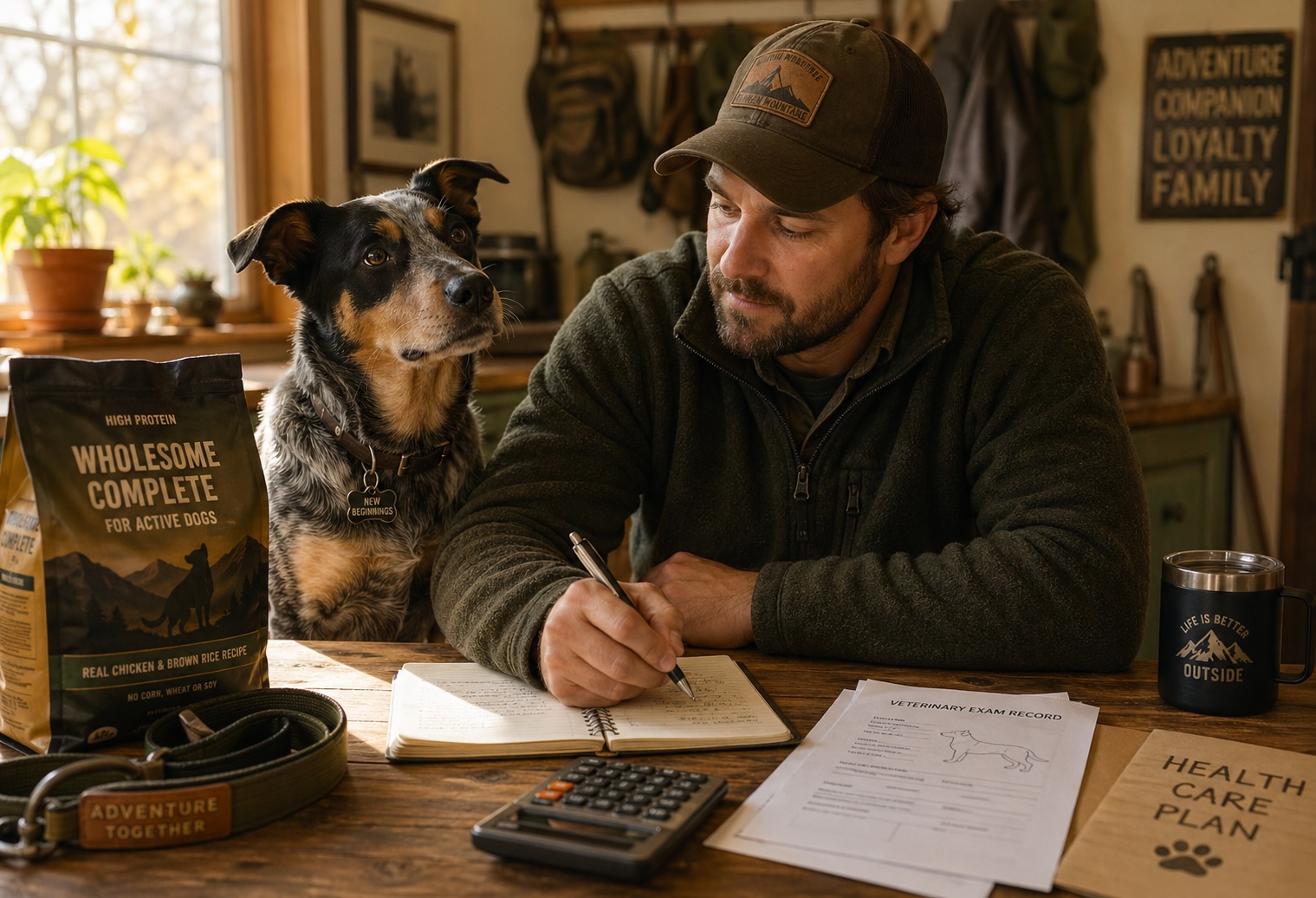
I've spent enough time around dogs, shelters, back roads, muddy boots, and early mornings to know one truth that holds steady in any kind of weather: a good dog is worth every penny, but you'd better know what those pennies are going to amount to. Folks often look at a rescue dog and think the big hurdle is the adoption fee. Truth is, that fee is usually just the front gate. The real cost of dog ownership shows up over months and years, in feed bags, vet visits, worn leashes, training sessions, and the kind of unexpected trouble that always seems to come on a Friday night.
If you're considering a rescue dog as a companion dog, a therapy dog prospect, or even a future service dog candidate, budgeting matters more than most people realize. It's not about squeezing every dollar until it hollers. It's about making sure you can give that dog a steady, healthy life without scrambling every time something comes up. A rescue dog has already had enough uncertainty. Your home and your finances ought to offer some peace.
Why Budgeting Matters Before You Adopt
A rescue dog may come to you with a known history, or it may arrive carrying a whole mystery in its eyes. Some settle in easy. Others need medical care, time, patient training, and a lot of structure. That doesn't make them a poor choice. Far from it. Some of the finest dogs I've ever known came with scars, rough edges, and habits that took months to smooth out. But every one of those dogs required preparation.
Budgeting for a rescue dog means thinking beyond the first day home. You're not just paying to acquire a dog. You're planning for food, preventive care, gear, training, grooming, identification, and emergency costs. If you hope your rescue might become a therapy dog or a service dog candidate, you also need to account for temperament evaluation, foundational obedience, public access work, and professional guidance where needed. That kind of path takes time and money, and it's better to face that honestly than to be caught flat-footed later.
The First-Year Cost of a Rescue Dog
The first year is usually the most expensive, especially if the dog is settling into a brand-new routine. Adoption fees vary by region, breed, age, and rescue group, but many people are surprised to learn that the fee often covers a decent amount of veterinary work. It may include spay or neuter surgery, vaccinations, deworming, and sometimes a microchip. Even so, you should still expect to spend more in the first few weeks.
Adoption Fees and Initial Setup
Most rescue dog budgets start with the adoption fee, but that's only part of the story. You'll likely need a crate, food and water bowls, a leash, a collar or harness, ID tags, bedding, cleanup supplies, and a few safe chew toys. If the dog is anxious, strong, or still learning house manners, you may also need baby gates, an exercise pen, or a more durable crate. It doesn't take long for those startup costs to add up.
Then there's the first vet visit. Even if the rescue has done their due diligence, I always recommend getting your own veterinarian to look the dog over soon after adoption. That establishes a baseline, checks for anything that got missed, and gives you a local professional who knows your dog from the beginning. For a rescue dog with therapy or service potential, a full wellness exam is even more important, because sound health is part of the foundation for stable working behavior.
Food, Preventive Care, and Daily Living
Feeding a dog well is cheaper than cutting corners and paying for trouble later. You don't need the fanciest bag on the shelf, but you do need quality nutrition that fits your dog's age, size, activity level, and health. A little companion dog may eat modestly, while a larger active dog can turn a bag of kibble into memory in no time. Add in treats for training, joint support if needed, and occasional digestive upsets, and you've got a recurring monthly cost that deserves a real place in your budget.
Heartworm prevention, flea and tick control, and annual vaccinations are not optional in my book. They're routine, predictable costs, and that's exactly why they belong in a budget. It's a lot easier to set money aside each month than to get hit with a bill all at once and try to figure out where it's coming from.
Training Costs: Where Smart Money Gets Spent
If there's one place I never like to short a dog, it's training. A rescue dog doesn't need perfection, but it does need direction. Whether the goal is a calm household companion, a therapy dog that can visit hospitals or schools, or a service dog prospect with the right temperament, training is where confidence gets built.
Some dogs only need a basic obedience class and consistency at home. Others need private sessions to work through leash reactivity, fear, separation issues, or overstimulation. Rescue dogs often arrive with habits they learned just to get by, and those habits can cost time and money to reshape. But good training pays you back. It prevents damage, reduces stress, and strengthens the bond between dog and handler in a way that no gadget ever will.
Budgeting for Companion, Therapy, and Service Paths
A family companion dog may need the basics: sit, stay, recall, loose-leash walking, and polite house behavior. A therapy dog prospect usually needs stronger social neutrality, confidence around strangers, and calm behavior in unpredictable environments. A service dog candidate requires even more. Not every rescue dog is suited for service work, and that's just being truthful. Temperament, health, and consistency matter tremendously. If you're considering that path, budget for assessments and ongoing structured training from people who know what they're doing.
That doesn't mean rescue dogs can't succeed in advanced roles. Some absolutely do. I've seen dogs pulled from hard circumstances turn into steady, intuitive companions who seemed born to help people. Still, that kind of transformation never happened by accident. It took investment.
Veterinary Care and the Costs You Don't See Coming
Here's where seasoned dog folks start sounding like old men around a tailgate: the dog will eventually cost more than you planned. Maybe it's an ear infection, maybe it's a cracked tooth, maybe it's allergy testing, maybe it's a limp that turns out to be nothing, or maybe it's something serious. The point is not to be fearful. The point is to be ready.
Rescue dogs can come with medical baggage you won't fully understand on day one. Some have old injuries, untreated dental problems, skin issues, parasites, digestive trouble, or anxiety-related behaviors that need both training and medical support. A good budget makes room for ordinary care and keeps a cushion for the unexpected.
Emergency Funds and Pet Insurance
I tell people to think hard about one of two things: keeping an emergency fund for the dog or carrying solid pet insurance. Ideally, you'd have both. Emergency vet bills can climb fast. If your dog swallows something, tears a ligament, gets injured, or suddenly falls ill, you want the freedom to make a medical decision based on what the dog needs, not just what your checking account can survive.
Pet insurance isn't perfect, and policies vary, but it can be a lifesaver for some households. If insurance doesn't fit your situation, set aside money each month in a dedicated dog fund. Small amounts add up when you leave them alone long enough.
Grooming, Boarding, and Lifestyle Costs
Some rescue dogs are low-maintenance in the coat department. Others shed like a blizzard or mat up if you look away too long. Grooming costs depend on breed, coat type, and your own willingness to do some work at home. Nails, ears, baths, brushes, shampoo, and professional grooming all belong in the budget somewhere.
Then there are the costs tied to your lifestyle. If you travel, you may need boarding or a pet sitter. If you work long hours, a dog walker or daycare might become part of your routine. If you enjoy hiking, hunting country, or outdoor life, you'll probably buy better gear over time, from durable harnesses to car seat covers and weatherproof bedding. None of these purchases are foolish if they fit how you live. They're just easier to manage when you plan for them instead of buying in a panic.
How to Build a Realistic Rescue Dog Budget
The best dog budget is honest, flexible, and a little conservative. Start with monthly essentials like food, routine medications, and training treats. Add recurring care such as annual exams, vaccines, grooming, and parasite prevention. Then create a line for gear replacement and another for emergencies. If your rescue dog has therapy or service potential, add training classes, evaluation costs, and travel expenses related to instruction or public access practice.
What matters most is not building a perfect spreadsheet. It's knowing what dog ownership actually asks of you. I've seen people spend carefully and still give a dog a wonderful life because they were steady and prepared. I've also seen folks spend big upfront and then struggle with the basics. A rescue dog doesn't need luxury. It needs reliability.
The Value Behind the Cost
When people ask whether a rescue dog is affordable, I think the better question is whether they're ready for the commitment that affordability represents. Dogs eat every day, not just on payday. They need care when it's inconvenient, training when you're tired, and patience when progress is slower than you hoped. But what they give back is hard to measure in dollars.
I still remember one rescue hound that came home thin, wary, and more watchful than trusting. He stood at the edge of the yard like he expected the world to change its mind about him. Took time before he'd settle easy. Took longer before he'd sleep deeply. But one season bled into the next, and that dog became the kind that watched the house, paced the fenceline, leaned against your leg, and looked at you like he knew he'd landed where he belonged. That's the return on investment no budget can fully capture.
Still, love does better with planning. If you budget carefully, a rescue dog can fit beautifully into your life, whether you want a faithful companion, a dog suited for therapy work, or a steady partner with the right potential for service training. Bring one home with open eyes, a sensible budget, and the willingness to invest over time, and you'll give that dog the thing every rescue deserves most: a fair chance to stay home for good.
If you're considering a rescue dog as a companion dog, a therapy dog prospect, or even a future service dog candidate, budgeting matters more than most people realize. It's not about squeezing every dollar until it hollers. It's about making sure you can give that dog a steady, healthy life without scrambling every time something comes up. A rescue dog has already had enough uncertainty. Your home and your finances ought to offer some peace.
Why Budgeting Matters Before You Adopt
A rescue dog may come to you with a known history, or it may arrive carrying a whole mystery in its eyes. Some settle in easy. Others need medical care, time, patient training, and a lot of structure. That doesn't make them a poor choice. Far from it. Some of the finest dogs I've ever known came with scars, rough edges, and habits that took months to smooth out. But every one of those dogs required preparation.
Budgeting for a rescue dog means thinking beyond the first day home. You're not just paying to acquire a dog. You're planning for food, preventive care, gear, training, grooming, identification, and emergency costs. If you hope your rescue might become a therapy dog or a service dog candidate, you also need to account for temperament evaluation, foundational obedience, public access work, and professional guidance where needed. That kind of path takes time and money, and it's better to face that honestly than to be caught flat-footed later.
The First-Year Cost of a Rescue Dog
The first year is usually the most expensive, especially if the dog is settling into a brand-new routine. Adoption fees vary by region, breed, age, and rescue group, but many people are surprised to learn that the fee often covers a decent amount of veterinary work. It may include spay or neuter surgery, vaccinations, deworming, and sometimes a microchip. Even so, you should still expect to spend more in the first few weeks.
Adoption Fees and Initial Setup
Most rescue dog budgets start with the adoption fee, but that's only part of the story. You'll likely need a crate, food and water bowls, a leash, a collar or harness, ID tags, bedding, cleanup supplies, and a few safe chew toys. If the dog is anxious, strong, or still learning house manners, you may also need baby gates, an exercise pen, or a more durable crate. It doesn't take long for those startup costs to add up.
Then there's the first vet visit. Even if the rescue has done their due diligence, I always recommend getting your own veterinarian to look the dog over soon after adoption. That establishes a baseline, checks for anything that got missed, and gives you a local professional who knows your dog from the beginning. For a rescue dog with therapy or service potential, a full wellness exam is even more important, because sound health is part of the foundation for stable working behavior.
Food, Preventive Care, and Daily Living
Feeding a dog well is cheaper than cutting corners and paying for trouble later. You don't need the fanciest bag on the shelf, but you do need quality nutrition that fits your dog's age, size, activity level, and health. A little companion dog may eat modestly, while a larger active dog can turn a bag of kibble into memory in no time. Add in treats for training, joint support if needed, and occasional digestive upsets, and you've got a recurring monthly cost that deserves a real place in your budget.
Heartworm prevention, flea and tick control, and annual vaccinations are not optional in my book. They're routine, predictable costs, and that's exactly why they belong in a budget. It's a lot easier to set money aside each month than to get hit with a bill all at once and try to figure out where it's coming from.
Training Costs: Where Smart Money Gets Spent
If there's one place I never like to short a dog, it's training. A rescue dog doesn't need perfection, but it does need direction. Whether the goal is a calm household companion, a therapy dog that can visit hospitals or schools, or a service dog prospect with the right temperament, training is where confidence gets built.
Some dogs only need a basic obedience class and consistency at home. Others need private sessions to work through leash reactivity, fear, separation issues, or overstimulation. Rescue dogs often arrive with habits they learned just to get by, and those habits can cost time and money to reshape. But good training pays you back. It prevents damage, reduces stress, and strengthens the bond between dog and handler in a way that no gadget ever will.
Budgeting for Companion, Therapy, and Service Paths
A family companion dog may need the basics: sit, stay, recall, loose-leash walking, and polite house behavior. A therapy dog prospect usually needs stronger social neutrality, confidence around strangers, and calm behavior in unpredictable environments. A service dog candidate requires even more. Not every rescue dog is suited for service work, and that's just being truthful. Temperament, health, and consistency matter tremendously. If you're considering that path, budget for assessments and ongoing structured training from people who know what they're doing.
That doesn't mean rescue dogs can't succeed in advanced roles. Some absolutely do. I've seen dogs pulled from hard circumstances turn into steady, intuitive companions who seemed born to help people. Still, that kind of transformation never happened by accident. It took investment.
Veterinary Care and the Costs You Don't See Coming
Here's where seasoned dog folks start sounding like old men around a tailgate: the dog will eventually cost more than you planned. Maybe it's an ear infection, maybe it's a cracked tooth, maybe it's allergy testing, maybe it's a limp that turns out to be nothing, or maybe it's something serious. The point is not to be fearful. The point is to be ready.
Rescue dogs can come with medical baggage you won't fully understand on day one. Some have old injuries, untreated dental problems, skin issues, parasites, digestive trouble, or anxiety-related behaviors that need both training and medical support. A good budget makes room for ordinary care and keeps a cushion for the unexpected.
Emergency Funds and Pet Insurance
I tell people to think hard about one of two things: keeping an emergency fund for the dog or carrying solid pet insurance. Ideally, you'd have both. Emergency vet bills can climb fast. If your dog swallows something, tears a ligament, gets injured, or suddenly falls ill, you want the freedom to make a medical decision based on what the dog needs, not just what your checking account can survive.
Pet insurance isn't perfect, and policies vary, but it can be a lifesaver for some households. If insurance doesn't fit your situation, set aside money each month in a dedicated dog fund. Small amounts add up when you leave them alone long enough.
Grooming, Boarding, and Lifestyle Costs
Some rescue dogs are low-maintenance in the coat department. Others shed like a blizzard or mat up if you look away too long. Grooming costs depend on breed, coat type, and your own willingness to do some work at home. Nails, ears, baths, brushes, shampoo, and professional grooming all belong in the budget somewhere.
Then there are the costs tied to your lifestyle. If you travel, you may need boarding or a pet sitter. If you work long hours, a dog walker or daycare might become part of your routine. If you enjoy hiking, hunting country, or outdoor life, you'll probably buy better gear over time, from durable harnesses to car seat covers and weatherproof bedding. None of these purchases are foolish if they fit how you live. They're just easier to manage when you plan for them instead of buying in a panic.
How to Build a Realistic Rescue Dog Budget
The best dog budget is honest, flexible, and a little conservative. Start with monthly essentials like food, routine medications, and training treats. Add recurring care such as annual exams, vaccines, grooming, and parasite prevention. Then create a line for gear replacement and another for emergencies. If your rescue dog has therapy or service potential, add training classes, evaluation costs, and travel expenses related to instruction or public access practice.
What matters most is not building a perfect spreadsheet. It's knowing what dog ownership actually asks of you. I've seen people spend carefully and still give a dog a wonderful life because they were steady and prepared. I've also seen folks spend big upfront and then struggle with the basics. A rescue dog doesn't need luxury. It needs reliability.
The Value Behind the Cost
When people ask whether a rescue dog is affordable, I think the better question is whether they're ready for the commitment that affordability represents. Dogs eat every day, not just on payday. They need care when it's inconvenient, training when you're tired, and patience when progress is slower than you hoped. But what they give back is hard to measure in dollars.
I still remember one rescue hound that came home thin, wary, and more watchful than trusting. He stood at the edge of the yard like he expected the world to change its mind about him. Took time before he'd settle easy. Took longer before he'd sleep deeply. But one season bled into the next, and that dog became the kind that watched the house, paced the fenceline, leaned against your leg, and looked at you like he knew he'd landed where he belonged. That's the return on investment no budget can fully capture.
Still, love does better with planning. If you budget carefully, a rescue dog can fit beautifully into your life, whether you want a faithful companion, a dog suited for therapy work, or a steady partner with the right potential for service training. Bring one home with open eyes, a sensible budget, and the willingness to invest over time, and you'll give that dog the thing every rescue deserves most: a fair chance to stay home for good.



View all 0 comments