
Backyard Breeding and Its Impact on Shelters
Jeff Davis | https://rescuedogcentral.com
 0
0 0
0 0
0 0
0 0
0
I've spent enough years around dogs, kennels, training yards, and back roads to know that a dog's beginning matters. You can see it in the eyes of a steady companion dog, in the nerves of a pup that startles at every sound, and in the heartbreak that walks through shelter doors every single day. Backyard breeding is one of those problems that folks often shrug off until they look close. Then the whole picture comes into focus. It is not just about puppies being sold from a porch, a social media post, or the back of a pickup in a gas station parking lot. It is about what happens after the cash changes hands. It is about the dogs left behind, the dogs surrendered later, and the shelters that shoulder the burden.
For families looking for a companion dog, or those hoping to raise a therapy dog or service dog prospect, understanding backyard breeding is more than a moral question. It is a practical one. A dog bred carelessly is more likely to carry health trouble, unstable temperament, poor socialization, and inherited traits that make life harder for the dog and for the people who love it. Those problems do not stay tucked away in one litter. They ripple outward into shelters, rescues, veterinary clinics, and homes across the country.
What Backyard Breeding Really Means
Backyard breeding does not always look dramatic. Sometimes it is a person who thinks their female should have one litter before being spayed. Sometimes it is someone breeding two dogs because they like the color, the size, or the idea of making quick money. Other times it is a small-time seller who presents themselves as legitimate, but skips health testing, ignores pedigree concerns, and puts no thought into the long-term welfare of the dogs they produce.
A responsible breeder works with purpose. They study bloodlines, test for inherited conditions, know the temperament of their dogs, and stand behind every puppy they place. They do not just sell a dog and disappear into the timber. They match pups carefully, support owners, and take responsibility if something goes wrong. Backyard breeders, by contrast, often breed for convenience and profit, leaving buyers to deal with the aftermath alone.
That difference matters immensely for dogs intended to be family companions, therapy dogs, or service dogs. These roles require sound nerves, dependable health, and steady behavior. You cannot build that on chance.
How Backyard Breeding Fills Shelters
If you want to understand shelter overcrowding, start by following the trail back to the source. A litter bred without planning may produce puppies that are sold too young, placed in homes without screening, or handed off to buyers who were never prepared for the demands of dog ownership. At first, everybody is excited. The pup is cute, the children are smiling, and the seller is long gone. Then the real work starts.
A poorly bred puppy may develop chronic skin issues, hip problems, digestive trouble, anxiety, or reactivity. Training becomes harder. Vet bills climb. The dog grows bigger, stronger, louder, or more fearful than expected. Some owners rise to the challenge, but plenty do not. Before long, the shelter becomes the landing place for a dog that never had a fair start.
Shelter workers see the result day in and day out. Dogs surrendered because they are "too much." Dogs abandoned because medical care is too expensive. Dogs with behavior issues that stem from genetics, neglect, or poor early handling. When backyard breeding pumps more unstable or unhealthy dogs into the system, shelters are forced to stretch limited space, staff, and funding further than they should ever have to.
It is a lot like seeing poor fence work before hunting season. At first glance, it might hold. Then weather hits, stock pushes through, and all the weak places show at once. Backyard breeding creates weak places from the beginning, and shelters are left trying to mend what never should have been broken.
The Hidden Cost to Adoptable Dogs
One of the crueler truths is that backyard breeding does not only hurt the dogs being bred. It also hurts the dogs already waiting in rescues and shelters. Every impulse-bought puppy sold from an irresponsible litter can mean one more shelter dog overlooked. Every poorly placed dog that later gets surrendered takes up kennel space, adoption attention, medical resources, and volunteer time that could have gone to another animal.
That means a solid, trainable, loving dog may sit longer or lose its chance entirely because the system is flooded. Shelters are not endless. They make hard choices when the numbers climb too high. So the impact of backyard breeding is never limited to one litter. It affects the entire rescue pipeline.
Why It Matters for Companion, Therapy, and Service Dogs
For the average family, a good companion dog should bring stability, comfort, and joy. For therapy and service work, the standard is even higher. These dogs need strong health, clear thinking, emotional steadiness, and a natural ability to handle pressure. They must be able to move through crowded places, recover from surprises, and stay engaged with their handler. Those traits are shaped by both genetics and early development.
Backyard breeders rarely select for those qualities with any consistency. They are not usually evaluating parents for environmental soundness, trainability, recovery speed, or long-term orthopedic health. They are not exposing litters to thoughtful socialization during critical developmental windows. And they are often not honest about what they do not know.
That leaves buyers taking a gamble, especially if they hope to raise a dog for emotional support, therapy visits, mobility assistance, psychiatric service work, or simply a calm family life. A dog with inherited fearfulness, aggression, or major health limitations may still deserve love and care, but that dog may not be suited for the work or home the buyer had in mind. When expectations and reality collide, shelters often catch the fallout.
Temperament Is Not an Accident
I've seen some fine dogs come out of rough places, and I never discount the heart of an individual animal. But if you are making choices at the front end, hoping for a stable dog, you do not leave temperament to luck. Good breeders stack the deck in favor of success. Backyard breeders roll the dice and call it good enough.
That distinction matters when the dog is meant to comfort hospital patients, assist a disabled handler, or simply live peacefully with children, visitors, and everyday stress. Sound temperament is not a bonus feature. It is the foundation.
The Health Problems That Lead to Surrender
One of the most common ways backyard breeding affects shelters is through preventable health trouble. Without proper testing, dogs may pass along inherited eye disease, heart defects, joint disorders, allergies, endocrine issues, or breed-specific conditions that cost families thousands to manage. Many owners are blindsided because they believed the seller's promises or did not know what questions to ask.
When a dog's medical needs become overwhelming, some families make the painful choice to surrender. Others try to rehome privately. Some delay treatment until the dog is suffering badly. Shelters and rescues then inherit not only the dog, but the financial and emotional burden that comes with neglected medical care.
For people searching for a future therapy dog or service dog, these health risks can be devastating. Training takes time, money, and commitment. If the dog later proves physically unsound, the family loses more than cash. They lose trust, momentum, and often a piece of their hope.
The Role of Education in Stopping the Cycle
The good news is that buyers have more power than they think. Backyard breeding continues because people keep buying without looking closely. Sometimes it comes from impatience. Sometimes from sympathy. Sometimes from not knowing the signs. Folks see a sweet puppy face and forget to ask the hard questions.
But those questions matter. Were the parents health tested? How are the puppies socialized? What happens if the placement fails? Does the breeder require a contract? Will they take the dog back at any age? Can they explain why this litter was bred in the first place? A breeder worth dealing with will answer clearly and without dancing around the truth.
And if adopting is the better path for your family, shelters and breed-specific rescues can be excellent places to find a dog with the right temperament and support. Plenty of wonderful companion dogs come through rescue. Some can even grow into therapy or service work, depending on the individual. The key is honest evaluation, patience, and guidance from people who know dogs well.
What Responsible Choices Look Like
If we want to reduce shelter crowding, we have to stop feeding the source of the problem. That means choosing responsible breeders when buying a puppy, supporting spay and neuter efforts when appropriate, and refusing to normalize casual litters. It also means talking plainly about what dogs need. They are not seasonal gifts, quick flips, or social media accessories. They are living creatures with long memories, real limits, and deep loyalty.
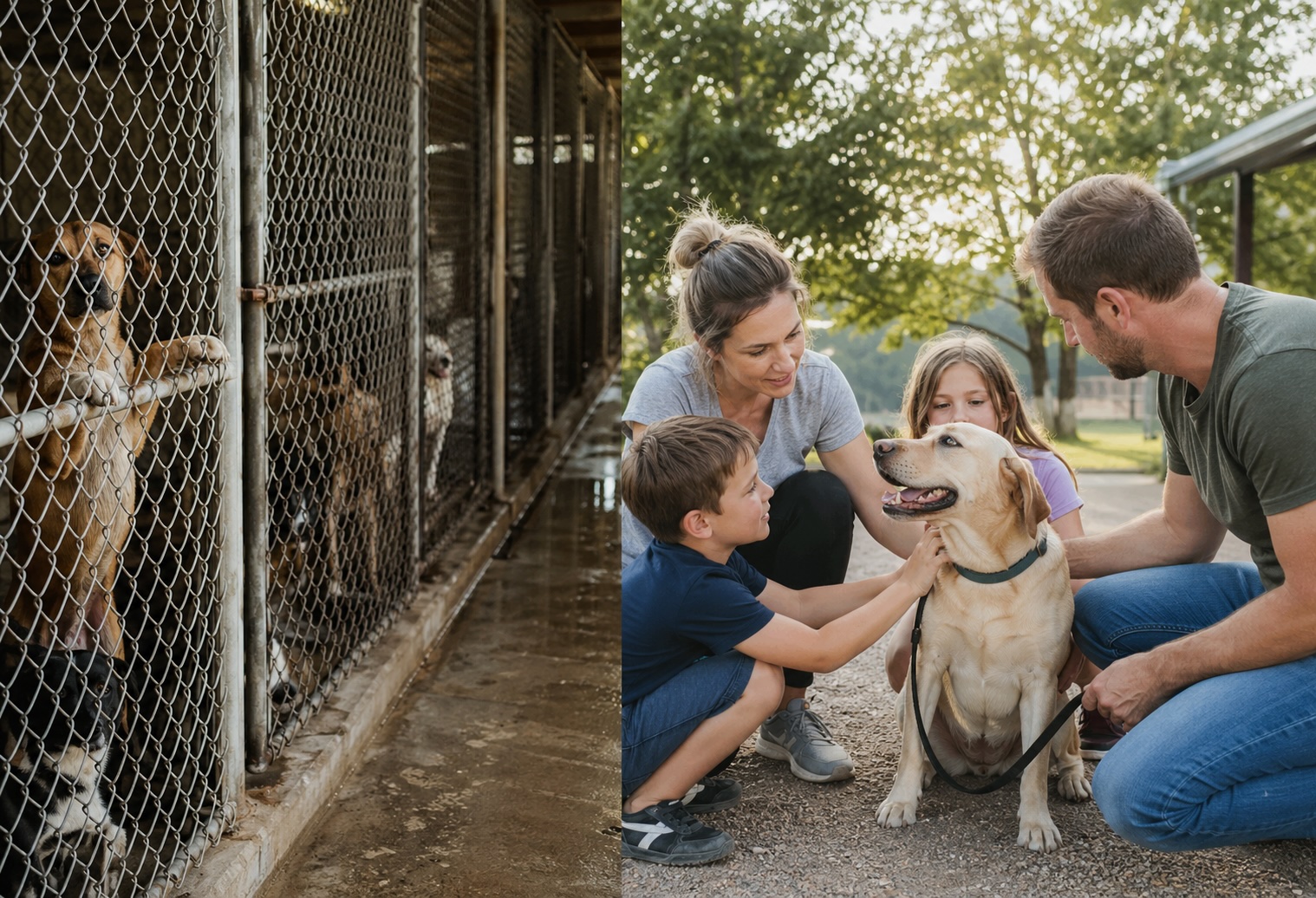
I've watched good dogs ride home in the front seat and I've watched others stare through kennel bars, waiting for a second chance they did nothing to lose. The difference between those outcomes often starts long before the shelter. It starts with breeding decisions made carelessly or wisely.
For anyone seeking a companion dog, therapy dog, or service dog prospect, take your time. Ask more questions than feels comfortable. Walk away if something smells off. A well-bred or thoughtfully rescued dog can change a life for the better. A poorly bred dog may still be worthy of every ounce of love you can give, but the road will often be steeper than it needed to be.
Backyard breeding leaves shelters to carry the weight of avoidable suffering. When buyers choose with care, they help lighten that load. More importantly, they give dogs a fairer start and a better shot at becoming what they were always meant to be: trusted partners, steady companions, and faithful friends.
For families looking for a companion dog, or those hoping to raise a therapy dog or service dog prospect, understanding backyard breeding is more than a moral question. It is a practical one. A dog bred carelessly is more likely to carry health trouble, unstable temperament, poor socialization, and inherited traits that make life harder for the dog and for the people who love it. Those problems do not stay tucked away in one litter. They ripple outward into shelters, rescues, veterinary clinics, and homes across the country.
What Backyard Breeding Really Means
Backyard breeding does not always look dramatic. Sometimes it is a person who thinks their female should have one litter before being spayed. Sometimes it is someone breeding two dogs because they like the color, the size, or the idea of making quick money. Other times it is a small-time seller who presents themselves as legitimate, but skips health testing, ignores pedigree concerns, and puts no thought into the long-term welfare of the dogs they produce.
A responsible breeder works with purpose. They study bloodlines, test for inherited conditions, know the temperament of their dogs, and stand behind every puppy they place. They do not just sell a dog and disappear into the timber. They match pups carefully, support owners, and take responsibility if something goes wrong. Backyard breeders, by contrast, often breed for convenience and profit, leaving buyers to deal with the aftermath alone.
That difference matters immensely for dogs intended to be family companions, therapy dogs, or service dogs. These roles require sound nerves, dependable health, and steady behavior. You cannot build that on chance.
How Backyard Breeding Fills Shelters
If you want to understand shelter overcrowding, start by following the trail back to the source. A litter bred without planning may produce puppies that are sold too young, placed in homes without screening, or handed off to buyers who were never prepared for the demands of dog ownership. At first, everybody is excited. The pup is cute, the children are smiling, and the seller is long gone. Then the real work starts.
A poorly bred puppy may develop chronic skin issues, hip problems, digestive trouble, anxiety, or reactivity. Training becomes harder. Vet bills climb. The dog grows bigger, stronger, louder, or more fearful than expected. Some owners rise to the challenge, but plenty do not. Before long, the shelter becomes the landing place for a dog that never had a fair start.
Shelter workers see the result day in and day out. Dogs surrendered because they are "too much." Dogs abandoned because medical care is too expensive. Dogs with behavior issues that stem from genetics, neglect, or poor early handling. When backyard breeding pumps more unstable or unhealthy dogs into the system, shelters are forced to stretch limited space, staff, and funding further than they should ever have to.
It is a lot like seeing poor fence work before hunting season. At first glance, it might hold. Then weather hits, stock pushes through, and all the weak places show at once. Backyard breeding creates weak places from the beginning, and shelters are left trying to mend what never should have been broken.
The Hidden Cost to Adoptable Dogs
One of the crueler truths is that backyard breeding does not only hurt the dogs being bred. It also hurts the dogs already waiting in rescues and shelters. Every impulse-bought puppy sold from an irresponsible litter can mean one more shelter dog overlooked. Every poorly placed dog that later gets surrendered takes up kennel space, adoption attention, medical resources, and volunteer time that could have gone to another animal.
That means a solid, trainable, loving dog may sit longer or lose its chance entirely because the system is flooded. Shelters are not endless. They make hard choices when the numbers climb too high. So the impact of backyard breeding is never limited to one litter. It affects the entire rescue pipeline.
Why It Matters for Companion, Therapy, and Service Dogs
For the average family, a good companion dog should bring stability, comfort, and joy. For therapy and service work, the standard is even higher. These dogs need strong health, clear thinking, emotional steadiness, and a natural ability to handle pressure. They must be able to move through crowded places, recover from surprises, and stay engaged with their handler. Those traits are shaped by both genetics and early development.
Backyard breeders rarely select for those qualities with any consistency. They are not usually evaluating parents for environmental soundness, trainability, recovery speed, or long-term orthopedic health. They are not exposing litters to thoughtful socialization during critical developmental windows. And they are often not honest about what they do not know.
That leaves buyers taking a gamble, especially if they hope to raise a dog for emotional support, therapy visits, mobility assistance, psychiatric service work, or simply a calm family life. A dog with inherited fearfulness, aggression, or major health limitations may still deserve love and care, but that dog may not be suited for the work or home the buyer had in mind. When expectations and reality collide, shelters often catch the fallout.
Temperament Is Not an Accident
I've seen some fine dogs come out of rough places, and I never discount the heart of an individual animal. But if you are making choices at the front end, hoping for a stable dog, you do not leave temperament to luck. Good breeders stack the deck in favor of success. Backyard breeders roll the dice and call it good enough.
That distinction matters when the dog is meant to comfort hospital patients, assist a disabled handler, or simply live peacefully with children, visitors, and everyday stress. Sound temperament is not a bonus feature. It is the foundation.
The Health Problems That Lead to Surrender
One of the most common ways backyard breeding affects shelters is through preventable health trouble. Without proper testing, dogs may pass along inherited eye disease, heart defects, joint disorders, allergies, endocrine issues, or breed-specific conditions that cost families thousands to manage. Many owners are blindsided because they believed the seller's promises or did not know what questions to ask.
When a dog's medical needs become overwhelming, some families make the painful choice to surrender. Others try to rehome privately. Some delay treatment until the dog is suffering badly. Shelters and rescues then inherit not only the dog, but the financial and emotional burden that comes with neglected medical care.
For people searching for a future therapy dog or service dog, these health risks can be devastating. Training takes time, money, and commitment. If the dog later proves physically unsound, the family loses more than cash. They lose trust, momentum, and often a piece of their hope.
The Role of Education in Stopping the Cycle
The good news is that buyers have more power than they think. Backyard breeding continues because people keep buying without looking closely. Sometimes it comes from impatience. Sometimes from sympathy. Sometimes from not knowing the signs. Folks see a sweet puppy face and forget to ask the hard questions.
But those questions matter. Were the parents health tested? How are the puppies socialized? What happens if the placement fails? Does the breeder require a contract? Will they take the dog back at any age? Can they explain why this litter was bred in the first place? A breeder worth dealing with will answer clearly and without dancing around the truth.
And if adopting is the better path for your family, shelters and breed-specific rescues can be excellent places to find a dog with the right temperament and support. Plenty of wonderful companion dogs come through rescue. Some can even grow into therapy or service work, depending on the individual. The key is honest evaluation, patience, and guidance from people who know dogs well.
What Responsible Choices Look Like
If we want to reduce shelter crowding, we have to stop feeding the source of the problem. That means choosing responsible breeders when buying a puppy, supporting spay and neuter efforts when appropriate, and refusing to normalize casual litters. It also means talking plainly about what dogs need. They are not seasonal gifts, quick flips, or social media accessories. They are living creatures with long memories, real limits, and deep loyalty.
I've watched good dogs ride home in the front seat and I've watched others stare through kennel bars, waiting for a second chance they did nothing to lose. The difference between those outcomes often starts long before the shelter. It starts with breeding decisions made carelessly or wisely.
For anyone seeking a companion dog, therapy dog, or service dog prospect, take your time. Ask more questions than feels comfortable. Walk away if something smells off. A well-bred or thoughtfully rescued dog can change a life for the better. A poorly bred dog may still be worthy of every ounce of love you can give, but the road will often be steeper than it needed to be.
Backyard breeding leaves shelters to carry the weight of avoidable suffering. When buyers choose with care, they help lighten that load. More importantly, they give dogs a fairer start and a better shot at becoming what they were always meant to be: trusted partners, steady companions, and faithful friends.



View all 0 comments